If you’re traveling to South Africa for the first time, the noise around headlines and half‑truths can drown out how the country actually works.
South Africa suffers from a branding problem. Not an accuracy problem. A BRANDING one. The world talks about it like it’s a single destination with a single personality, as if you can summarize an entire country with one headline, one warning, one TikTok, one aunt who once knew someone who once heard something.
The truth is far less convenient and far more interesting:
South Africa is not one place. It’s a federation of personalities who barely tolerate being grouped together.
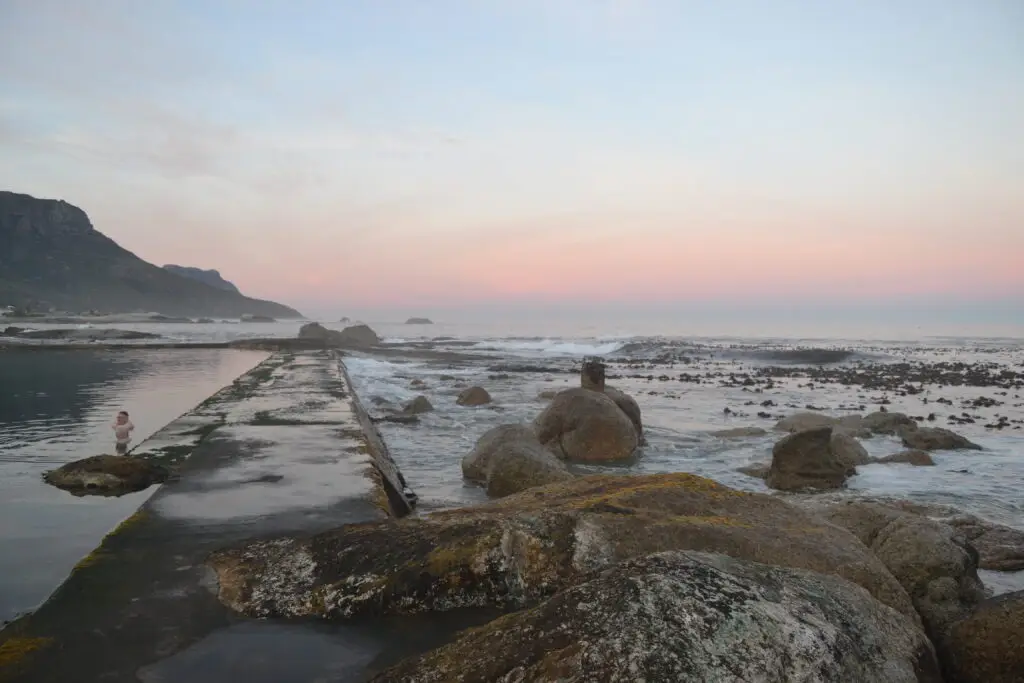
Cape Town is a coastal supermodel with a philosophy minor.
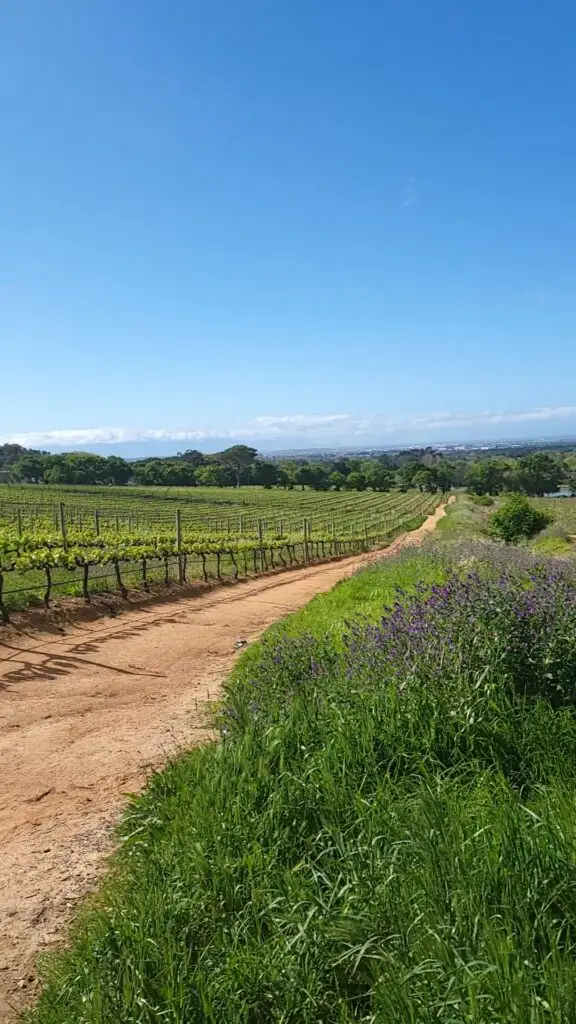
Wine Country is decadence with a work ethic.
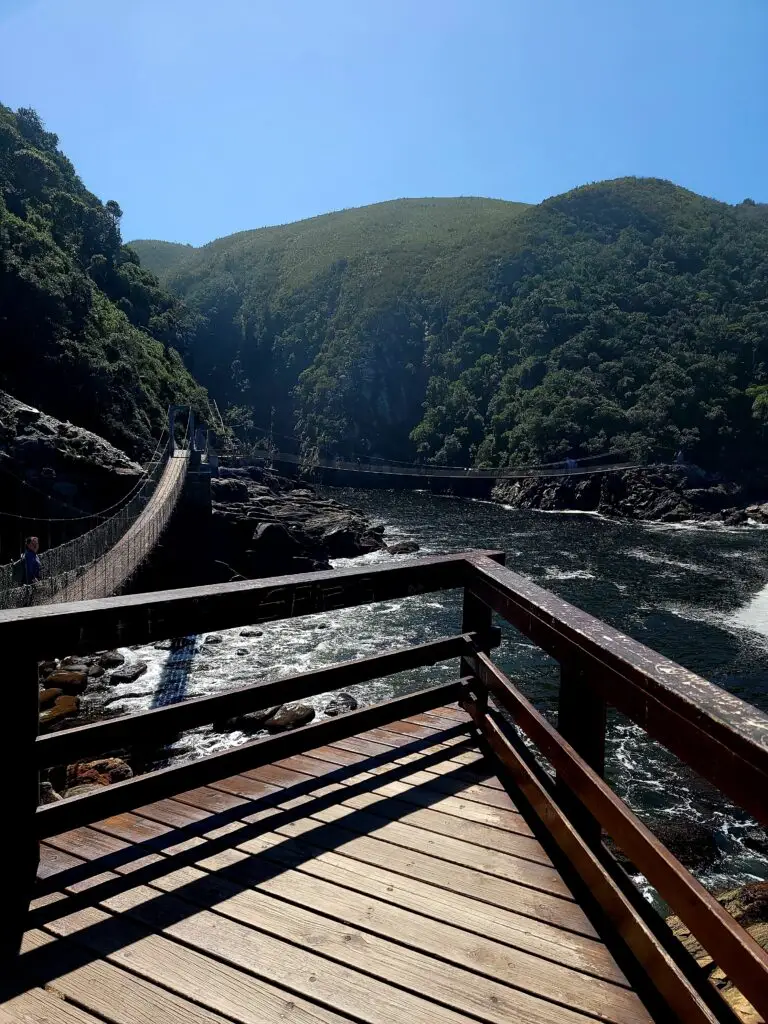
The Garden Route is a long exhale disguised as a road trip.
Safari regions are choreography and instinct in equal measure.
Johannesburg is the truth serum: brilliant, complicated, unfiltered.
They share a flag, not a temperament.
And that’s exactly why travelers, especially solo women, thrive here.
The Question Everyone Asks (and the One That Actually Matters)
The world is obsessed with one question:
“Is South Africa safe?”
It’s the conversational equivalent of asking someone on a first date whether they’ve ever committed tax fraud. Technically relevant, wildly premature.
Safety matters, of course it does, but the question is too blunt to be useful. It flattens a country of 60 million people into a single rating, as if Cape Town and Johannesburg and the Kgalagadi desert all share the same rhythm and rules.
A better question and the one that actually helps you travel well is this:
“How does South Africa work?”
Because once you understand the structure, the choreography, the personalities, the pacing and the safety question answers itself.
South Africa Isn’t Dangerous. It’s Contextual.
This is the part no one says out loud because it requires nuance, and nuance doesn’t trend.
South Africa isn’t dangerous in the way people imagine.
It’s contextual, something even the South African Tourism safety guidelines quietly acknowledge when they emphasize structure over fear.
It’s a place where you don’t improvise blindly, but you also don’t need to clutch your pearls. It’s a place where awareness is a tool, not a burden. It’s a place where structure exists for a reason — and when you follow it, the country opens up like a well‑kept secret.
Solo female travelers do exceptionally well here because the country is built on:
- Clear rhythms — where to be, when to be there, how things flow
- High-touch hospitality — people who actually look out for you
- Defined travel corridors — Cape Town → Wine Country → Garden Route → Safari → Johannesburg
- A culture of guidance — drivers, hosts, rangers, locals who take pride in showing you their world
This isn’t a free-for-all.
It’s a dance.
And once you learn the steps, it’s intoxicating.
The Real Risk Isn’t Crime. It’s Misunderstanding the Assignment.
Most travelers don’t get into trouble because of danger.
They get into trouble because they treat South Africa like:
- Europe with better weather
- A safari park with a city attached
- A place where you can wander without intention
- A destination that should “make sense” immediately
South Africa is not a passive experience.
It’s a place that expects you to participate.
And here’s where the grounding matters because the country does make sense once you understand how each region behaves.
How Traveling to South Africa Actually Works
Cape Town
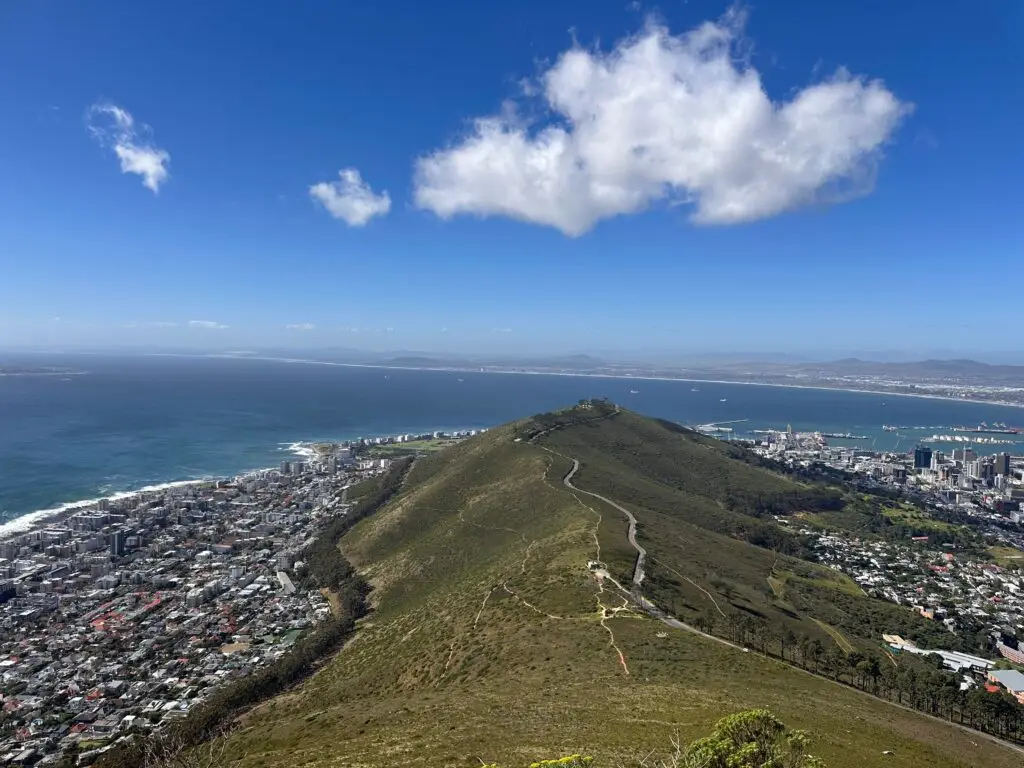
Cape Town is usually the first place people land when they’re traveling to South Africa, and it sets the tone without trying. Your soft landing. A city where beauty is a civic duty and solo travelers blend into the landscape. You move, you breathe, you recalibrate. You learn the country’s tempo without trying — the same rhythm Cape Town Tourism gestures toward when they describe the city’s natural flow between mountain, sea, and street.
Wine Country
Decadence with discipline. Long lunches, longer tastings, and estates that behave like main characters. This is where you slow down enough to notice the details like the character of the land, the architecture, the way the mountains hold the light.
The Garden Route
It’s the stretch that convinces most people that traveling to South Africa isn’t chaotic at all, it’s structured, calm, and surprisingly intuitive. The exhale. Forests, lagoons, cliffs, quiet towns. A stretch of coastline that feels like therapy disguised as scenery. This is where your nervous system unclenches and the country starts to feel inevitable.

Safari Regions
The surrender. Guides who read the land like a language, trackers who see what you don’t, and a rhythm that feels ancient and strangely familiar — a choreography you see clearly in the way SANParks manages conservation areas across the country.
Safari is structure, safety, and awe in equal measure.

Johannesburg
For anyone traveling to South Africa, Johannesburg is the city that explains the rest of the country showcasing it as bold, brilliant and unfiltered. Not a place you improvise, but a place that rewards intention. Most travelers experience it best through structured visits, guided neighborhoods, and people who can translate its energy into meaning, something Gauteng Tourism actually does well when you know where to look.
This is the part most travelers miss:
South Africa works as a sequence, not a checklist.
Once you understand the order, the whole country clicks into place.
Why Solo Female Travelers Thrive Here
Because South Africa is built on systems, not chaos.
Because people pay attention.
Because hospitality is a cultural value, not a marketing tactic.
Because the country rewards curiosity, awareness, and respect for local rhythm.
Because solo women tend to travel with intention and intention, that is the currency here.
South Africa isn’t a destination you conquer.
It’s a destination you collaborate with.
The Real Reason to Go: South Africa Changes You Back
Most places change you.
South Africa changes you back into someone who notices things again.
The way the light hits Table Mountain at 4 p.m.
The way a wine tasting becomes a philosophy seminar.
The way the Garden Route slows your pulse without asking permission.
The way a lion sighting rearranges your priorities.
The way Johannesburg tells the truth and expects you to handle it.
Once you understand the rhythm of traveling to South Africa, the country stops feeling intimidating and starts feeling inevitable.
And that’s the part everyone gets wrong:
South Africa isn’t a risk.
It’s an invitation.

Where to Go Next
Feel free to check out some of my other South Africa topics:
- Is South Africa Safe for Solo Female Travelers?
- 7 Places to Visit in South Africa That Teach You the Country.
- Garden Route Road Trip Guide (coming next)