A France travel guide to how the culture actually works
France has been flattened into an international fantasy for so long that most travelers arrive expecting a version of it that has already been edited for them: softened, lit well, and vaguely pleased to be seen. They come with references instead of curiosity, carrying a mental archive of films, photographs, and the persistent belief that, upon arrival, life will begin to arrange itself more attractively.
It’s a seductive idea but it’s also where things start to go wrong.
Because France, in practice, is not interested in confirming anyone’s expectations. It does not behave like a destination that needs to win you over. It behaves like a place that has already decided what it is and sees very little reason to revisit the conversation.
If you’re looking for a traditional France travel guide, this isn’t that. Most France travel guides tell you where to go. I’m more interested in how France actually behaves once you get there, which is where most people get it wrong.
The France Most People Expect
What should you expect when traveling to France?
Most travelers expect romance, great food, and effortless charm. What they encounter instead is a structured culture built on standards, direct communication, and a very specific way of moving through daily life.

There is a widely shared assumption that France is inherently romantic where the beauty is ambient, charm is automatic, and daily life unfolds with a kind of effortless elegance. That the food is exceptional, the coffee is excellent, and everything, somehow, just works better.
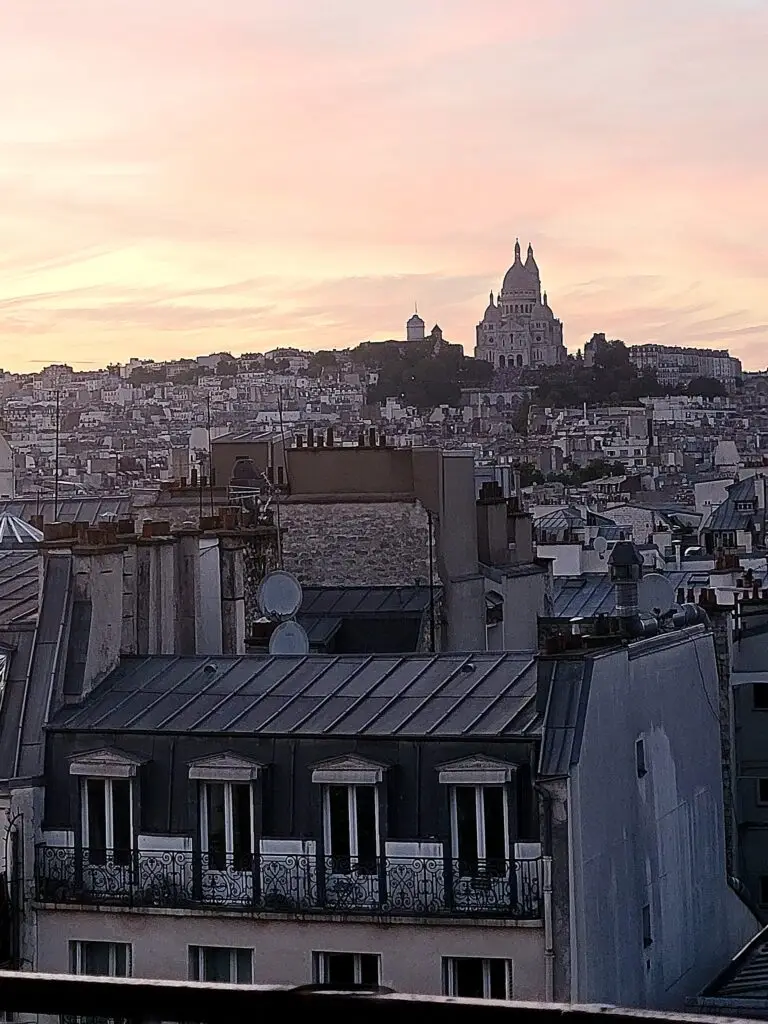
To be fair, the surface supports the illusion. The streets are composed in a way that feels almost intentional, and even the most ordinary café can look like it has been quietly art-directed. It’s very easy to believe you’ve arrived somewhere that has mastered living.
What’s Actually Happening
France hasn’t mastered everything. It has simply mastered selectivity.
And once you start paying attention, the gaps between expectation and reality become obvious with almost comic speed. The food is a perfect example. You can eat extremely well in France, but the idea that every meal is exceptional is fantasy. There are plenty of meals, including expensive ones, that are technically correct, aesthetically pleasing, and completely forgettable. A kind of culinary restraint that sometimes reads as elegance and sometimes just reads as… nothing in particular.
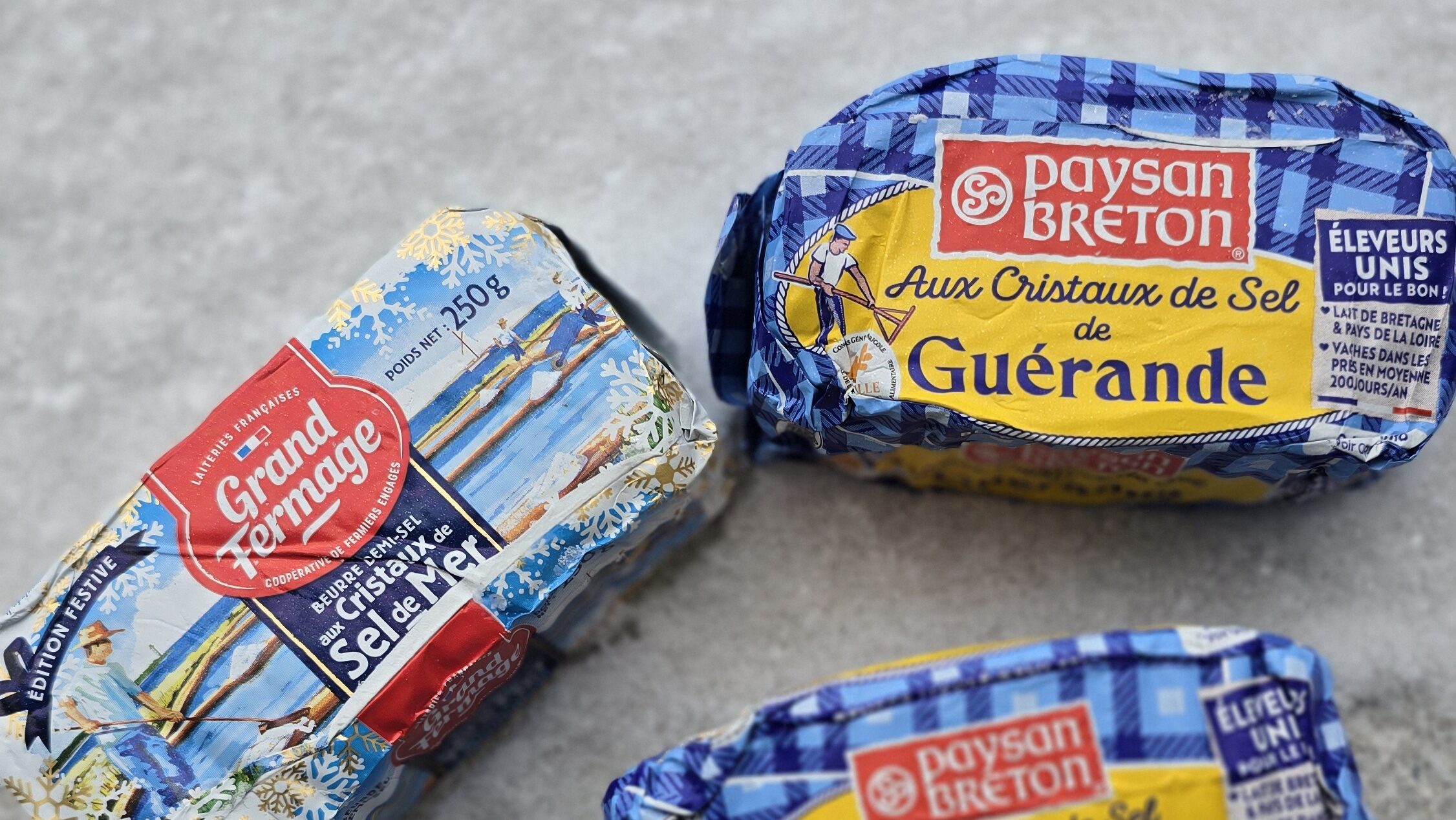
Where France excels is the baseline. Walk into a grocery store and the standard shifts immediately. Ingredients have integrity, and butter feels less like a product and more like a point of pride; the kind of thing people bring home with intention, not convenience. It’s become almost a cultural reflex to talk about it, and honestly, it should be.
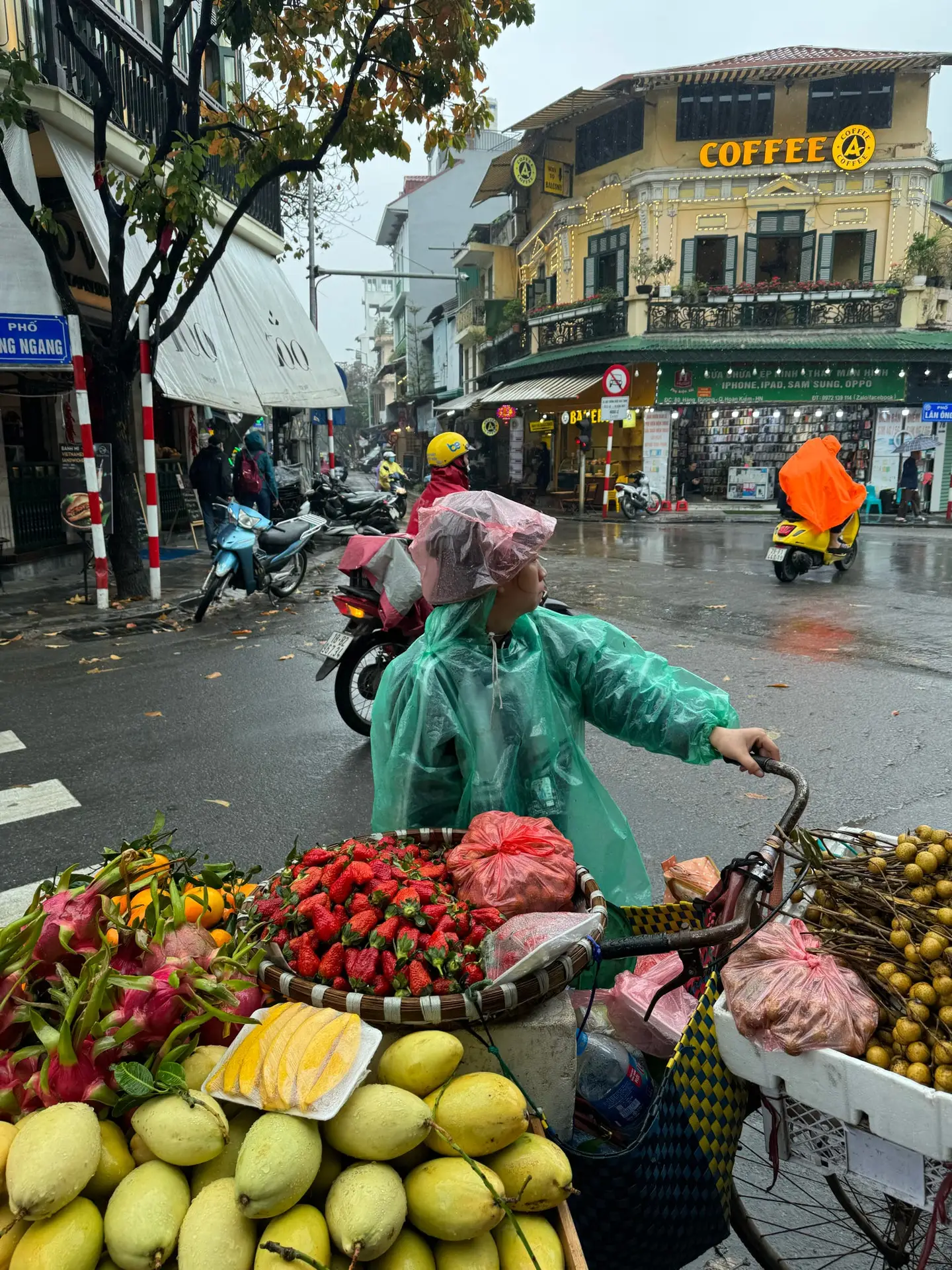
And then, almost inconveniently for the mythology, some of the most interesting food experiences come from outside the expected lanes entirely. Vietnamese food, in particular, is extraordinary; layered, precise, alive in a way that much of traditional French dining deliberately avoids. It tells you more about modern France than any white tablecloth ever could.
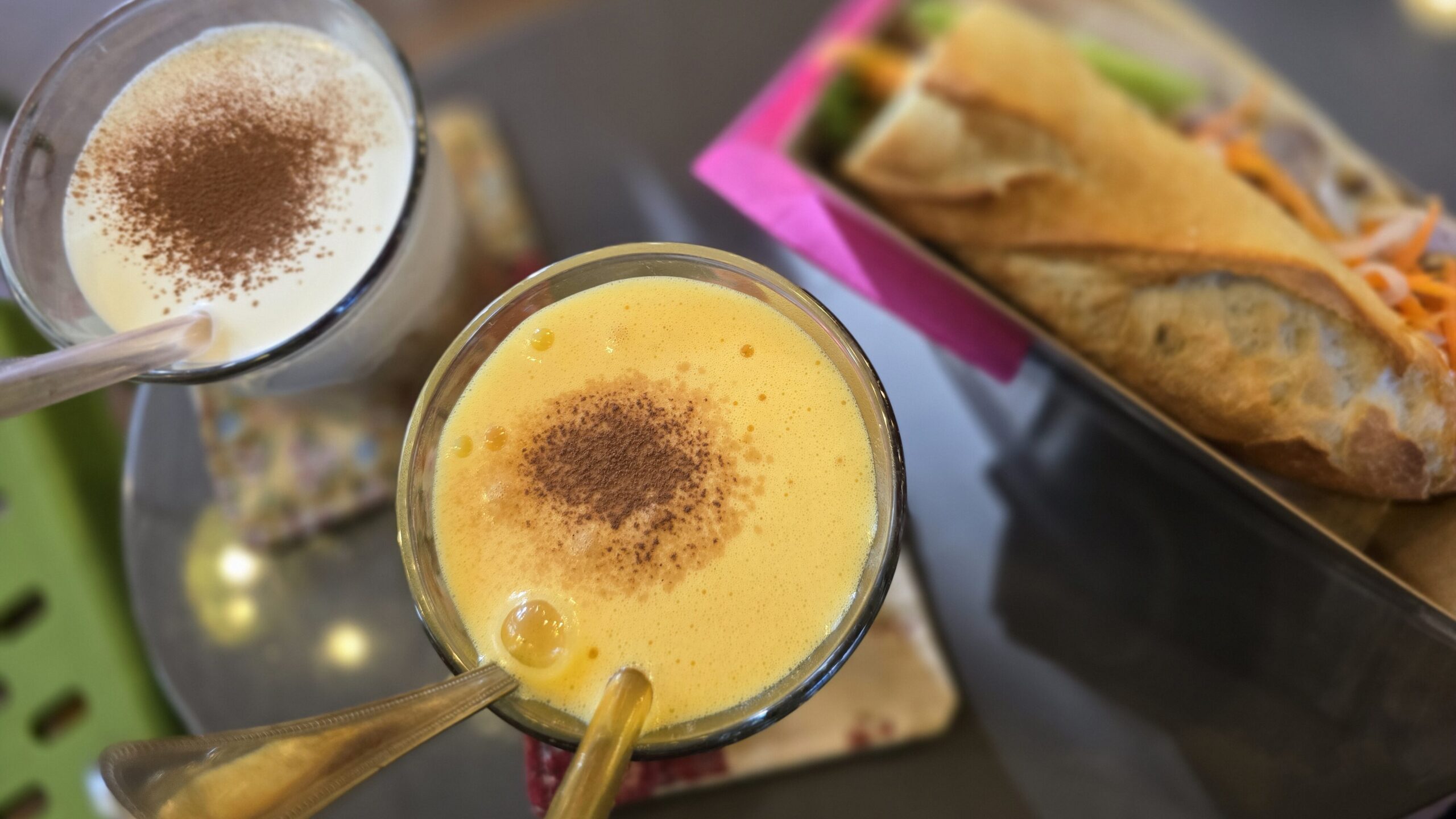
The same pattern holds with coffee. It looks right, it feels right, and it is, more often than not, entirely average. Perfectly acceptable, rarely memorable until you step slightly outside the expected lanes and into spaces shaped by other influences, where suddenly the quality sharpens and the intention returns.
How French Culture Actually Works
This is the part most people misread, and usually the part that determines whether they enjoy France or spend the entire trip quietly offended by it.
France is not organized around making you feel comfortable. It is organized around making sense to itself, which is why so many interactions, especially at first, feel slightly off, like you’ve missed a step no one bothered to explain, and no one intends to.
Nothing exposes this faster than the greeting. There’s an entire cultural architecture behind that single word, something CultureTrip unpacks sharply in a piece on French politeness
In France, you do not open with a question or lead with a request. You acknowledge the person in front of you first. Properly. Bonjour. Madame or monsieur, if you have any sense of how this works. This is not a charming cultural detail.
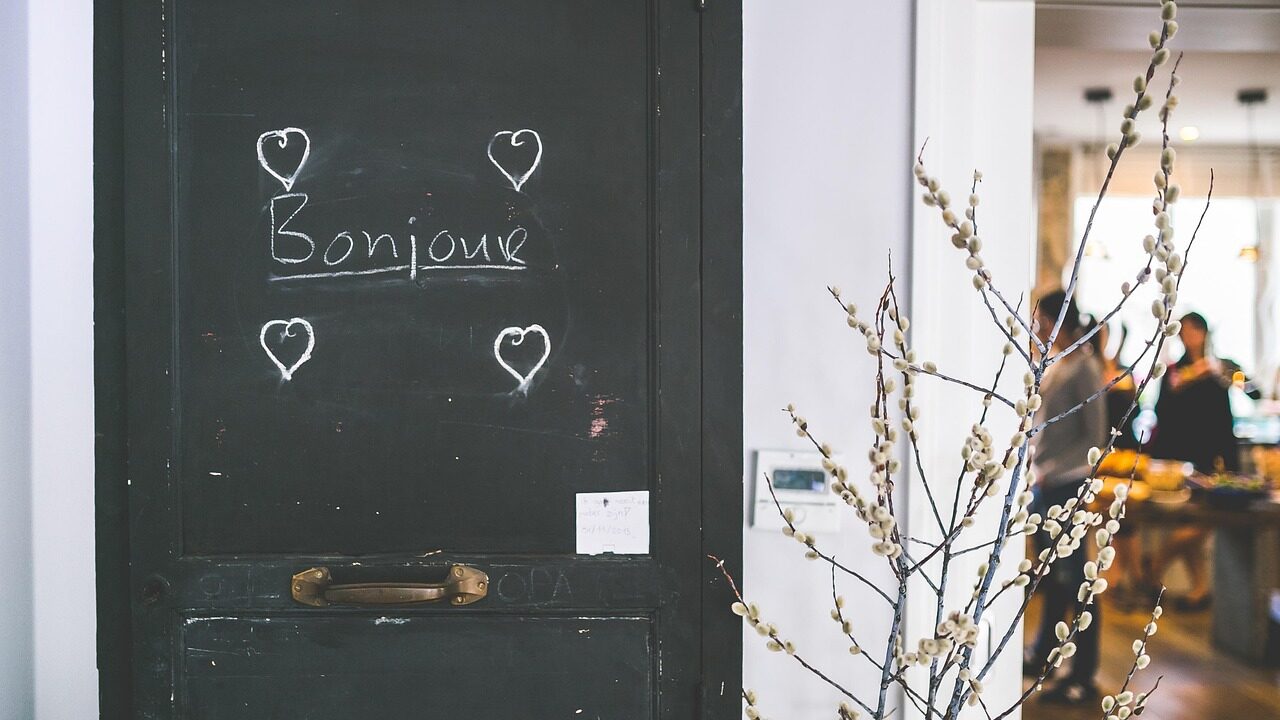
It’s the operating system.
Skip it, and the interaction stalls in a way that feels almost disproportionate until you realize what you’ve done. Honor it, and everything shifts. From there, the rest follows. Service is direct. Responses are efficient. There is very little interest in cushioning anything for your emotional comfort, which is where people start reaching for the word “rude” like it explains something.
It doesn’t. What they’re encountering is a culture that doesn’t perform.
In many places, especially in the U.S., friendliness is choreography. You ask someone how they are without wanting an answer. You smile because it keeps things moving. The goal is ease.
In France, those gestures actually mean something, which is precisely why they’re used more carefully.
If you ask a question, it’s assumed you want the answer. If someone engages with you, it’s deliberate, not reflexive. There is less performance and more precision, which can feel abrupt right up until the moment you realize nothing is being faked for your benefit.
And this is where it reliably unravels for people.
Someone arrives expecting to be received warmly and when that doesn’t happen, the entire experience turns. What was supposed to feel charming starts to feel hostile. A neutral interaction becomes a personal slight.
It isn’t. You’re just not being catered to.
You see it most clearly the moment people step outside the major cities, where there is even less interest in accommodating the performance. The aesthetic gets taken a little too literally, the cues get missed, and suddenly the whole experience collapses in on itself not necessarily because anything dramatic has happened, but because nothing has been softened to protect the version of France they arrived with.
France hasn’t changed. They’ve just run out of script.
The first time I experienced this, I also read it completely wrong. I thought it was cold, dismissive, unnecessarily sharp. It took time, and a lot more travel, to understand I wasn’t being pushed away.
I just wasn’t being managed.
France doesn’t simulate warmth. It practices directness. Once you adjust to that and you stop treating bonjour like a suggestion, the entire system stops feeling hostile and starts making perfect sense.
The Behavioral Divide
Visitors try to unlock France. The French don’t. They repeat it.
They go to the same café, sit in the same place, order the same thing, and begin every interaction the same way, not because they lack curiosity, but because they’ve already identified what works and see no reason to reinvent their own lives for the sake of novelty. There is a quiet confidence in that; a refusal to perform discovery for an imaginary audience.
If you’re used to treating cities like a scavenger hunt with better lighting, this can feel almost confrontational at first. No one is trying to improve the experience in real time.
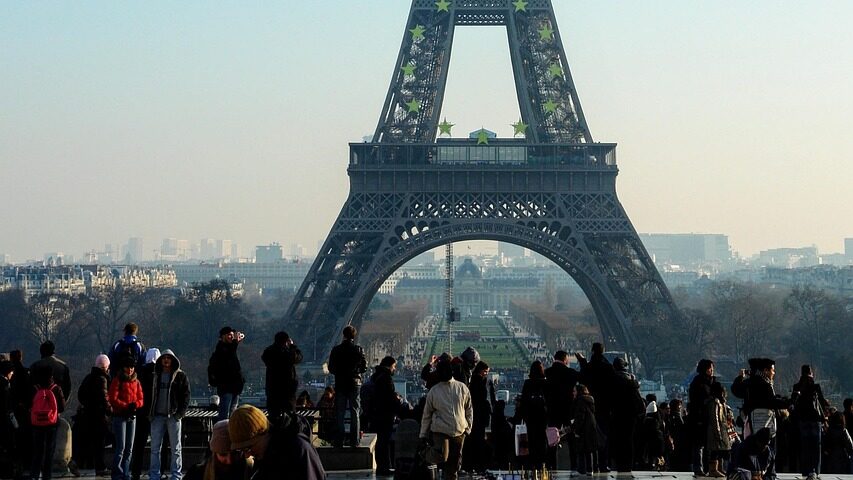
Visitors move through France trying to experience it.
The French move through it like it already belongs to them.
The Role of Taste in France
In France, taste is not expression. It’s restraint and more importantly, it’s judgment.
It’s knowing when something is enough and having absolutely no interest in pushing past that point just to make an impression. Which is why so much of the country feels composed without tipping into spectacle, and why even indulgence rarely announces itself.
Excess, here, isn’t enthusiasm. It’s a lack of control.
Some people perform elegance with visible effort, slightly overworked, carefully assembled, hoping the intention reads. France doesn’t bother with that. It assumes you either understand the standard or you don’t, and if you don’t, there is very little interest in convincing you otherwise.
How to Travel France Without Getting It Wrong
The mistake isn’t choosing France. It’s expecting it to adapt to you.
France does not reward urgency, and it has no interest in being optimized. You can plan everything, reserve everything, map everything down to the minute, and the experience will still refuse to behave exactly the way you imagined, not because anything is going wrong, but because nothing here is trying to accommodate your version of right.
The more you push for a perfect experience, the more it seems to slip slightly out of reach. Not dramatically. Just enough to remind you that you are not in control of it.
For some people, that’s irritating.
For others, it’s the beginning of the point.
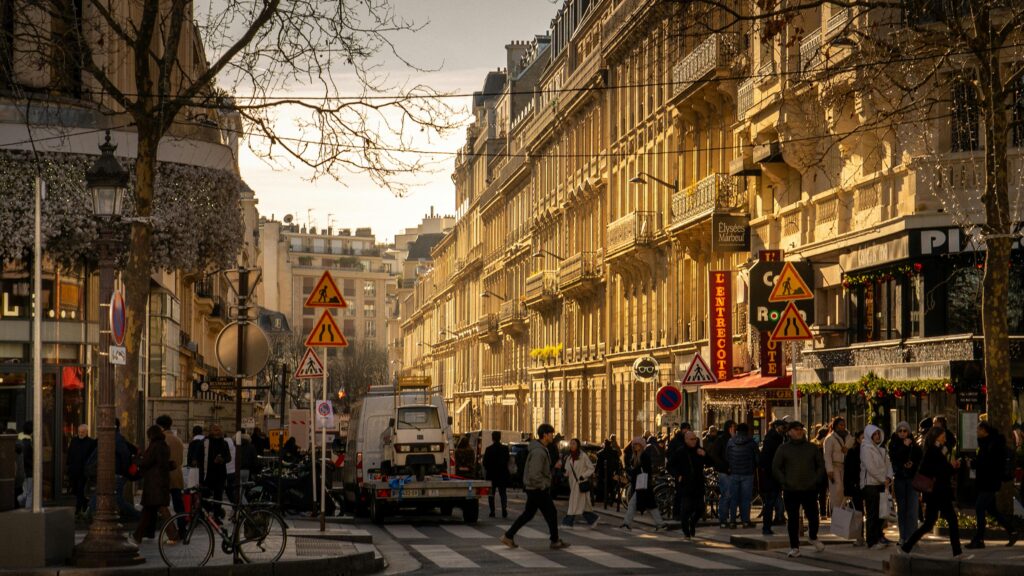
The shift happens when you stop trying to extract something from the place and start adjusting to it instead — when you let things take longer, stop correcting small inconveniences, and allow the experience to remain slightly imperfect without trying to resolve it.
That’s when France stops feeling like something you’re visiting and starts feeling like something you’re inside of.
France, Understood Properly
France isn’t difficult. It’s particular and one of my favorite places to plan itineraries for.
Once you stop trying to interpret it through what you expected, something shifts. Not dramatically, not all at once but enough that the friction stops feeling like resistance and starts feeling like structure. The distance doesn’t close. You just learn how to read it.
And somewhere in that adjustment, usually when you’re no longer trying to decide whether you like it, something else settles in instead.
You understand it.
Which, in France, is usually what passes for falling in love.