
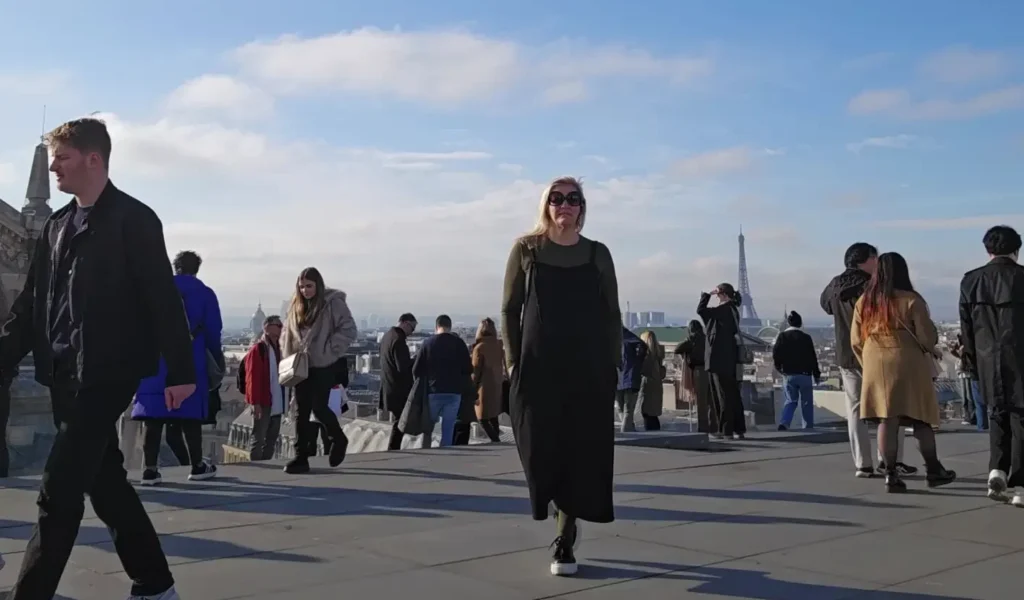
I used to travel like someone trying to outrun the clock or maybe myself. Land, drop the bag, execute. No lingering, no drifting, no letting the moment breathe. I treated cities like errands: get in, get it done, don’t you dare waste a second. I was a machine with a passport.
Honestly? I was excellent at it.
Drop me in Rome for 48 hours and I would not be stopping to admire the way the light hits a wall. I would be sweaty, and ruthlessly efficient. I would hit every single thing I came to hit. My logistics were impeccable – that’s what I do after all! My travel philosophy, however, was basically burnout with a passport.
Which isn’t good if avoiding burnout is the whole reason you travel to begin with, right?
You can conquer a city and still leave empty.
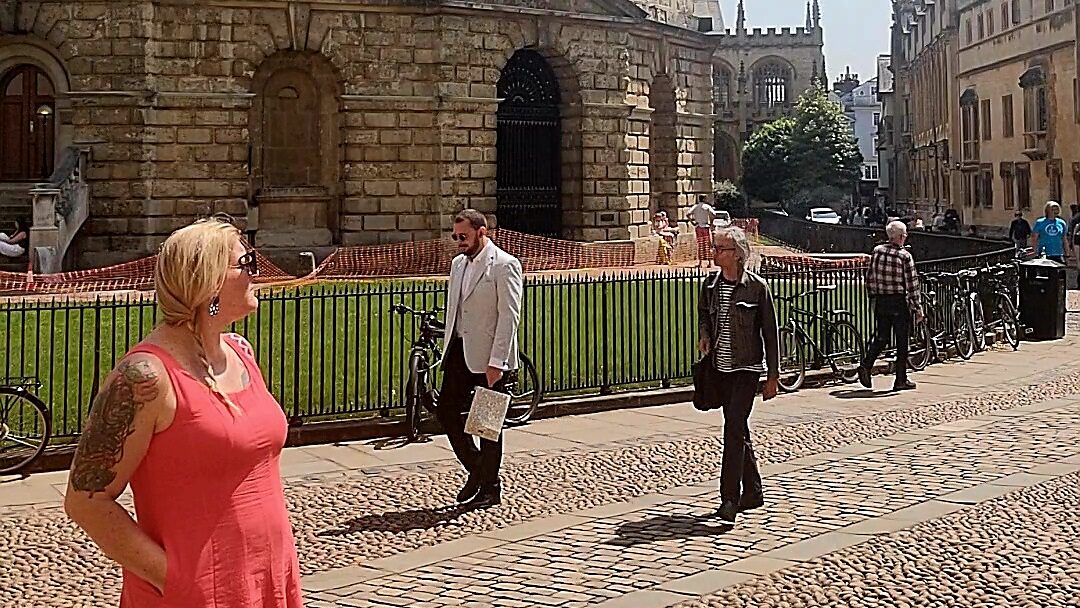
After enough of those high-performance itineraries, I started coming home realizing I had technically seen everything and somehow remembered almost nothing.
I could tell you which museum I went to, what restaurant I booked and exactly how many things I managed to cram into 48 hours. But ask me what I actually noticed? That was a harder question.
I had gotten very good at completing cities.
I wasn’t nearly as good at experiencing them.
That’s when I realized the problem wasn’t necessarily how fast I traveled. It was what the hell I thought I was accomplishing by moving that fast. Changing that eventually became my travel philosophy.
There’s psychology behind why we travel the way we do, and this conversation with Andrew Stevenson, PhD explores it particularly well: Why we love to travel, with Andrew Stevenson, PhD.
The Birth of The Itinerant Flâneur
I didn’t name this brand because I suddenly became a serene wanderer who lets the universe guide her. Please. I don’t trust people who say that, and I certainly don’t want to travel with them.
I named it this because I needed a way to describe the shift I made away from skimming, away from performing competence and treating travel like some kind of competitive sport.

Itinerant means moving from place to place. In my case, quite literally.
A flâneur, traditionally, is an observer of city life—someone who wanders, watches and pays attention. I’ve taken that idea and made it my own.
Put them together and you get a traveler who moves, but doesn’t skim. Someone who pays attention. Someone who refuses to let a destination flatten into a checklist or a bragging right.
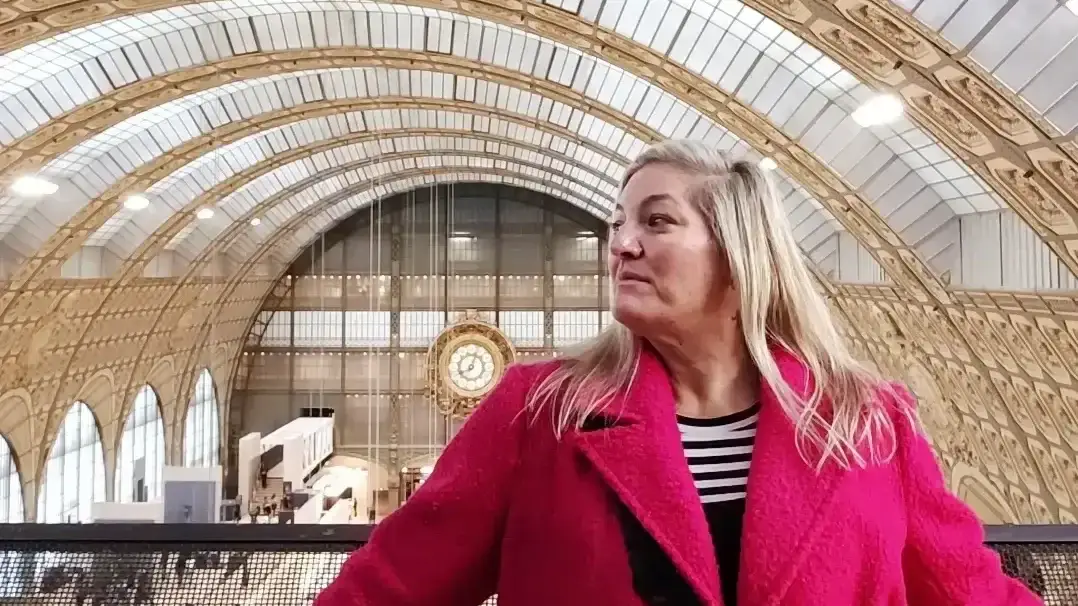
A flâneur, in the way I mean it, notices the things that don’t come with signage: what a city makes easy, what it makes difficult, what it quietly discourages. Where tourists are expected, where they’re tolerated, and where they become a nuisance the moment they stop buying something. How people move, how they wait, how they claim space.
It’s not strolling.
It’s discernment.
What The Itinerant Flâneur Travel Philosophy Actually Looks Like
People assume this means slow. It doesn’t. It means awake.
You can move quickly and still be perceptive. You can take your time and remain completely oblivious. Speed isn’t the villain. Autopilot is.
I’m not suggesting you spend four hours contemplating a cappuccino because you’ve suddenly become spiritually available. Sometimes you have two days in a city and a reservation across town in 40 minutes. Move your ass.
Just pay attention while you’re doing it.
Notice when something is criminally good. Notice when something supposedly iconic is actually disappointing. Notice the weird interaction at the café, the neighborhood where everybody suddenly disappeared, the museum room you can’t stop thinking about, and the restaurant everyone recommended that absolutely did not deserve €80 of your money.
That’s the point.
You can appreciate a city’s beauty while also acknowledging its absurdities. You can savor a perfect meal and still laugh at the fact that you nearly had a meltdown trying to find the bathroom.

You can be the woman in oversized sunglasses at midnight insisting she’s “doing culture” while sprinting to make a reservation.
Both things can be true.
The Hard Lesson: Depth Isn’t About Doing More
You don’t get depth by stacking experiences like plates at a buffet.
Sometimes you get it by doing less shit back-to-back.
A museum after a morning with nothing planned can hit harder than five museums chained together like a punishment. A city after a week somewhere quiet reads differently than that same city when you drop into it cold and try to dominate it on day one.

Timing does more for you than effort.
Most people treat that like an accident.
I don’t anymore.
That’s not accidental. How you put a trip together changes how you experience everything in it.
This isn’t a manifesto.
It’s a method: a way of deciding:
- what to skip because it will dull something better later
- when to push because you only have two days and you’re not here to cosplay leisure
- when to leave space, not for romance, but for contrast
- when to admit something just isn’t that fucking interesting and go get a drink instead
What This Blog Is … and What It Isn’t
I’m not here to sell you the fantasy that every destination is transformative. Some places are just places. Some days are average. A lot of travel is mildly inconvenient and occasionally ridiculous.
If your standards require every trip to feel cinematic, you’re going to be disappointed and also exhausting to travel with.
What I am here to do is write about how places function. This is a travel philosophy built around attention instead of performance:
- the histories that still shape daily behavior
- the social rules you’re expected to understand without being told
- the small details that change how easy it is to move through a place
- the timing that makes or breaks an experience
- the decisions that make the difference between seeing somewhere and actually having something to say about it afterward

There’s humor here, because travel humiliates everyone equally.
There’s skepticism, because hype is often just marketing with better fonts.
There’s taste, because life is too short to pretend mediocre things are “a must.”
There’s glamour, but the kind that comes from self‑awareness, not delusion.
There’s chaos, but the kind that makes a story worth telling.
This is the brand.
Not aspirational.
Not precious.
Not a performance.
Just a way of moving through the world that feels honest — and a little less interchangeable — than the standard “I did the city” sprint.
So if you’re reading this thinking, yes, this is what I’ve been missing, then you’re in the right place.
If you’re reading it thinking, I actually love a checklist, that’s fine too.
Just don’t confuse movement with meaning.

Where to Go Next
Think of this page as the lobby bar: where you figure out what kind of place you’ve walked into before deciding how much trouble you’re willing to get into.
The rest of the The Itinerant Flâneur is where I test all of this in real life. Sometimes it works. Sometimes I miss the Colosseum Underground because Rome does not care about my itinerary. Sometimes my phone gets stolen in Florence. Sometimes I walk into something completely unhinged in Wisconsin and discover one of my favorite places in America.
That’s travel.
Go wander.