I spent eight nights in Cape Town, which gave me seven full days on the ground, and somehow I still left without seeing the penguins, going to Cape Point, visiting Robben Island, getting to the top of Table Mountain or successfully throwing myself off a mountain with a paraglider.
That last one was not for lack of trying. Cape Town cancelled my paragliding three fucking times.
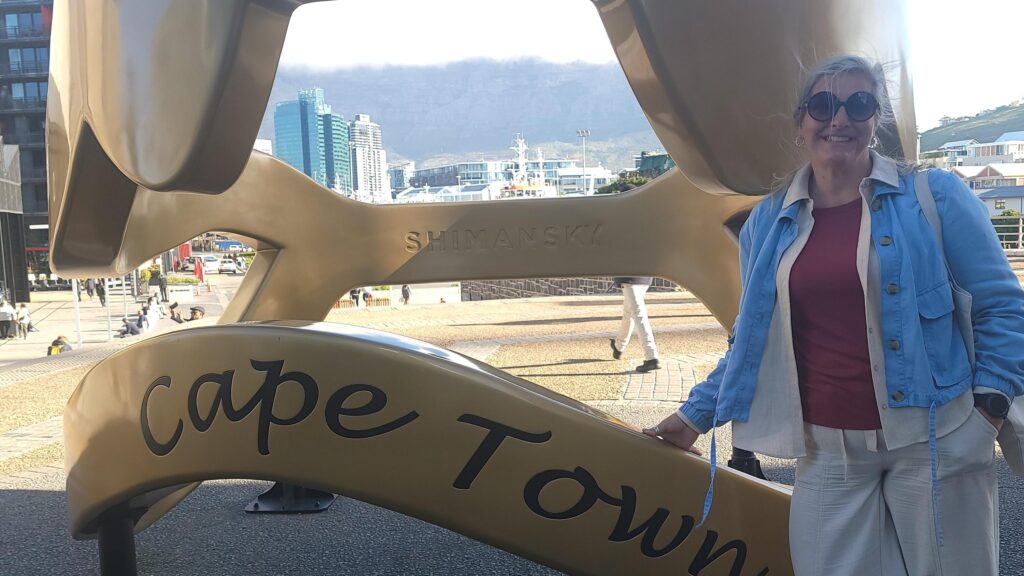
The problem wasn’t that I moved slowly. Cape Town is enormous, there is an absurd amount to do within the city itself, and some of the things people casually include on a Cape Town itinerary are actually full day excursions that take you well outside the city. Seven days in Cape Town does not necessarily mean seven days to explore Cape Town.
If you’re planning a larger South Africa trip, start with my guide to the best places to visit in South Africa for a first trip. If Cape Town is your focus, this is what I learned after eight nights about how much time you actually need, where to stay, how to get around and which things I would plan differently next time.
How Many Days Do You Actually Need in Cape Town?
For a first trip, I would give Cape Town at least four full days that actually belong to Cape Town, then start adding days based on what you want to do outside the city.
If you want to spend a day in Stellenbosch and Franschhoek, add a day. If you want to do the Cape Peninsula, Boulders Beach and Cape Point, add another. If you want a major mountain or adventure experience, give yourself enough time that weather doesn’t destroy the rest of your itinerary.
Constantia is a little different because it is within Cape Town. You can visit one wine estate for a couple of hours or turn the entire day into a wine day without ever leaving the city.
I also would not count your arrival day if you’re flying long haul. I landed in Cape Town in the afternoon, requested an Uber directly from the airport and spent the rest of the day at my hotel in Camps Bay. After that flight, I was not interested in proving anything to anyone.
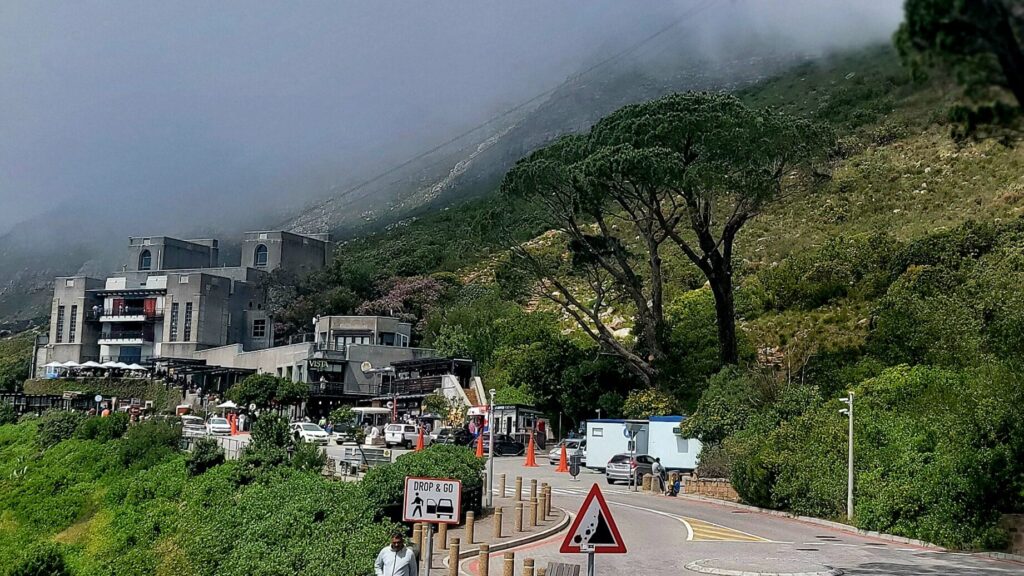
Cape Town’s weather also needs to be part of your planning because it can completely rearrange your trip. I had paragliding booked three separate times and never got to do it, while my more extreme Table Mountain hike was cancelled because of weather and a fire. It started to feel like Cape Town had put me on detention and decided I was staying exactly where I was.
Fortunately, there is so much to do in Cape Town that a cancelled plan doesn’t have to mean a wasted day, but you need enough flexibility in your schedule to pivot. If something weather dependent is important to you, schedule it earlier in the trip rather than saving it for your last day. That gives you another chance if the weather doesn’t cooperate without having to sacrifice something else you really wanted to do.
Where You Stay in Cape Town Changes the Trip
I stayed in two completely different parts of Cape Town, and I’m glad I did because they produced very different trips.
My first stay was at Camps Bay Retreat, which is the kind of property where leaving feels slightly offensive. I had a villa with an ocean view, and the property has pools, gardens, a waterfall, a grotto, swings, a bridge, a spa and a wood fired hot tub. Camps Bay itself gives you the beach and ocean right outside your door, but it feels removed from the busier central parts of Cape Town.

Later I moved to The Onyx, closer to the CBD and V&A Waterfront. My room felt more like a small apartment, it was less expensive, and it made much more sense for days when I was moving between museums, markets, restaurants and other parts of the city.
If I were planning the trip entirely around myself now, I might reverse the order I did it. I’d stay somewhere central and reasonably priced while I was spending most of the day out sightseeing, then move to Camps Bay for the last couple of nights when I could actually enjoy the property. There is very little point in paying for the gorgeous ocean view, pool, spa and ridiculous grounds if you leave at 8 a.m. and come back exhausted at 10 p.m.
Getting Around Cape Town: Yes, I Recommend the Tourist Bus
I know I’m recommending a hop on hop off bus, but Cape Town is one of the places where it genuinely makes sense.
I originally bought a one day City Sightseeing ticket because I wanted an economical way to cover several parts of Cape Town without paying for an Uber every time I moved. I liked it enough that I bought another ticket and used the system on a second day.
Cape Town is much more spread out than I understood before I arrived. The City Sightseeing network made that geography considerably easier to deal with because the ticket covers the Red City Tour, Blue Mini Peninsula Tour and Purple Constantia Valley Wine Tour, and you can transfer between them. The Blue Route became particularly useful for Kirstenbosch and Hout Bay, while the Purple Route took me into Constantia wine country.
There’s another reason I’d buy the ticket again, and that’s the ride itself. Part of the route follows Cape Town’s coastline, and if the weather cooperates, sit upstairs in the open air. You’re probably going to get a little windblown, but the views along the coastal road are ridiculous. You have the ocean on one side with mountains and neighborhoods rising around you, and there were stretches where I genuinely did not care about getting off the bus.
The current one day adult ticket is R375 and includes all three routes. Check the current routes, schedule and price or buy your ticket directly from City Sightseeing Cape Town before you go.
I’m also a Viator and GetYourGuide affiliate, and I will happily tell you when an affiliate booking makes sense. When I went, buying this one directly from City Sightseeing was cheaper. Compare the prices first because paying more for “skip the line” access to a bus you are going to board with everyone else doesn’t accomplish much.
Plan Cape Town by Area, Not by Attraction
Cape Town is enormous, and one of the easiest ways to waste time is to underestimate the distance between places you want to visit. Some attractions that look relatively close on a map can take considerably longer to reach than you’d expect, especially when traffic gets involved. That made a much bigger difference than trying to create a heroic checklist of things to do in Cape Town and spending half the day crossing the city.
The following are the areas and experiences I’d recommend considering for your first Cape Town itinerary, along with how much time I’d allow and what makes sense to combine.
Truth Coffee, District Six and the CBD
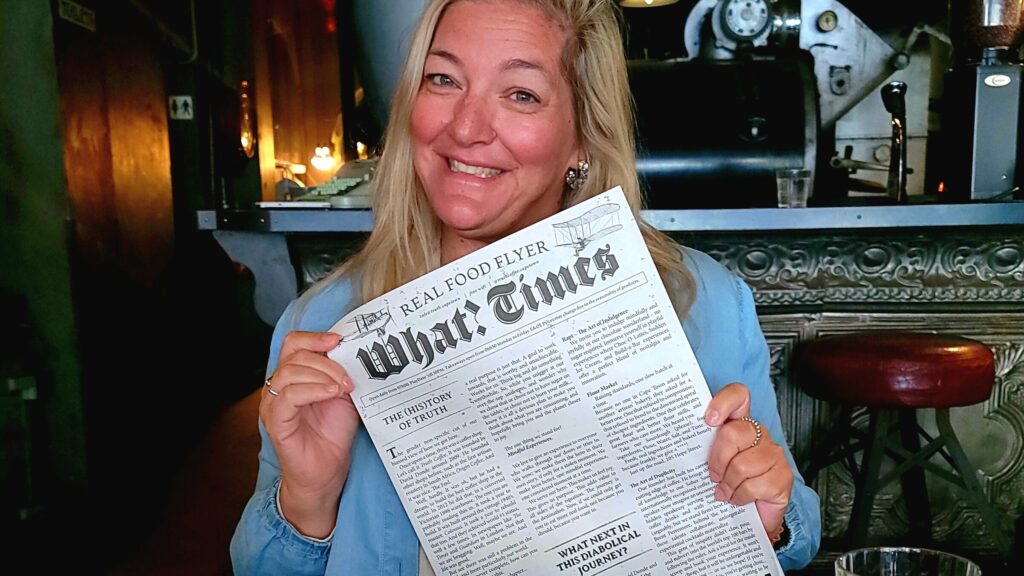
Truth Coffee Roasting was firmly on my list before I arrived, and not simply because I wanted to see the ridiculous steampunk interior. It was named the world’s best coffee shop by The Daily Telegraph in both 2015 and 2016, which is a fairly compelling reason to investigate a coffee shop.
The interior is part coffee shop, part industrial fever dream, with an enormous bar, vintage machinery, staff dressed for the occasion and enough going on visually that you could spend an unreasonable amount of time examining the place before remembering you came for coffee. Fortunately, the food was phenomenal, and then there was the Airship, the coffee drink I ordered that was so criminally good I would seriously consider booking another flight to Cape Town just to have one.
Yes, I realize that’s an expensive coffee run, but I’ve made worse financial decisions.
Truth worked well as part of a morning around the CBD and District Six. I paired it with the District Six Museum, which tells the story of a community destroyed by forced removals under apartheid, and continued exploring the central city from there.
There is an enormous amount of Cape Town’s history concentrated in this area, including the Slave Lodge, Company’s Garden and the South African National Gallery, so this is one part of the city where I would spend some time walking rather than jumping into a car every five minutes.
Company’s Garden, History and the South African National Gallery
I didn’t go to Company’s Garden because I had a burning desire to inspect palm trees. I was walking between places I actually wanted to see and discovered that the garden itself was beautiful, although, to be fair, the plants are kind of a big deal here.
Cape Town sits within the Cape Floristic Region, the smallest of the world’s six floral kingdoms but the richest relative to its size. The region has an extraordinary concentration of plant species, so all that greenery I’d been admiring around Cape Town wasn’t simply pretty scenery. If you really want to understand what makes this part of the world so botanically unusual, save some time for Kirstenbosch later in your trip.
Company’s Garden is surrounded by places that make considerably more sense when visited together. The Iziko Slave Lodge is nearby, as is the Arch for Arch memorial to Archbishop Desmond Tutu, and the South African National Gallery sits at the other end of the garden.
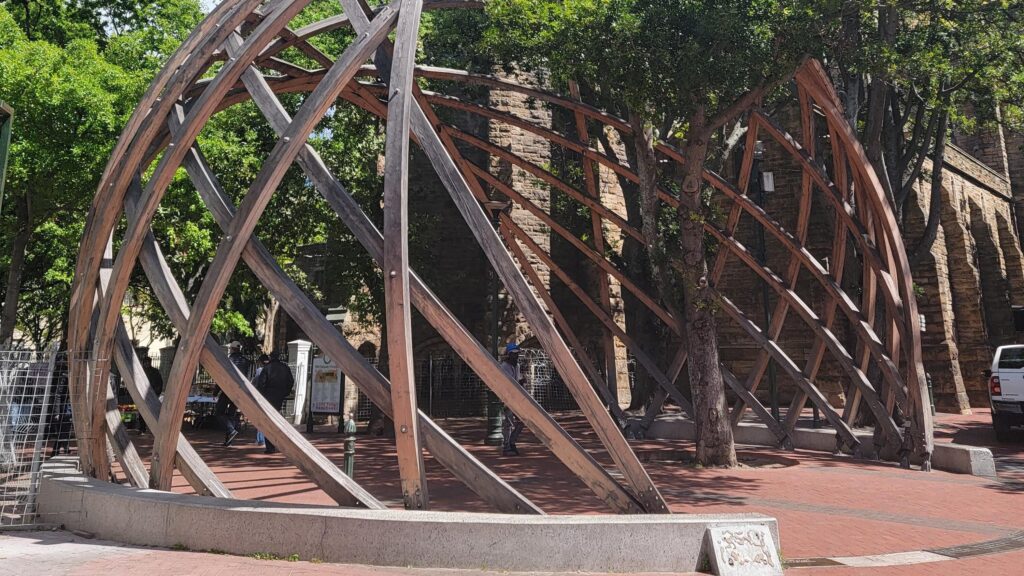
Somewhere in the middle of all of this, I had what I can only describe as my Pretty Woman moment when an absolutely gorgeous man in a three piece suit walked barefoot across the grass carrying his shoes.
Richard Gere apparently lives in Cape Town now, and tragically he did not know I was waiting for him.
There were a few areas where I became more aware of my surroundings because of people hanging around the garden, so I moved through those portions more quickly. I was comfortable there during the day, but I personally would not use the garden as a nighttime shortcut alone. I go into considerably more detail about how I handled that throughout the country in Is South Africa Safe for Solo Female Travelers? An Uncensored Answer.
The South African National Gallery was my actual destination because I had wanted to see Jane Alexander’s Butcher Boys for years, and it did not disappoint. If art and history interest you, this part of Cape Town deserves time. If they don’t, don’t visit six museums because a first time visitor checklist told you to.
Bo-Kaap Doesn’t Need an Entire Day
Bo-Kaap is beautiful, but the photographs do not adequately communicate how fucking hilly it is. Seriously, wear shoes you can actually walk in because those colorful houses are sitting on some fairly unforgiving inclines.
I would give Bo-Kaap around two hours if you want to wander, eat and browse the shops and galleries. If you’re only going for the colorful houses and photographs, you need considerably less. What makes the neighborhood interesting, though, is that there’s far more to it than a collection of brightly painted buildings. Bo-Kaap has a long Cape Malay history, shaped by slavery, colonialism and the communities that lived through apartheid, and reducing it to a photo opportunity would be doing it a disservice.
I spent considerably longer there because I booked a jewelry making workshop with Nomi Handmade, and it became one of my favorite experiences in Cape Town. The workshop took place in her beautiful home studio, with just me and one other woman, where we made jewelry using shweshwe fabric. What I hadn’t anticipated was how much of the experience would be spent talking about the history of the fabric, her family and the ways apartheid had shaped their lives. Nomi shared stories about her mother and the history behind her business, and those conversations made the experience so much more interesting than simply sitting down to make a pair of earrings.
There were also two extremely fluffy cats wandering around the studio, one of whom was quite happy to make himself comfortable on someone’s lap. The studio was immaculate, but if you have cat allergies, consider yourself warned. Personally, I’d take an allergy pill and go anyway.
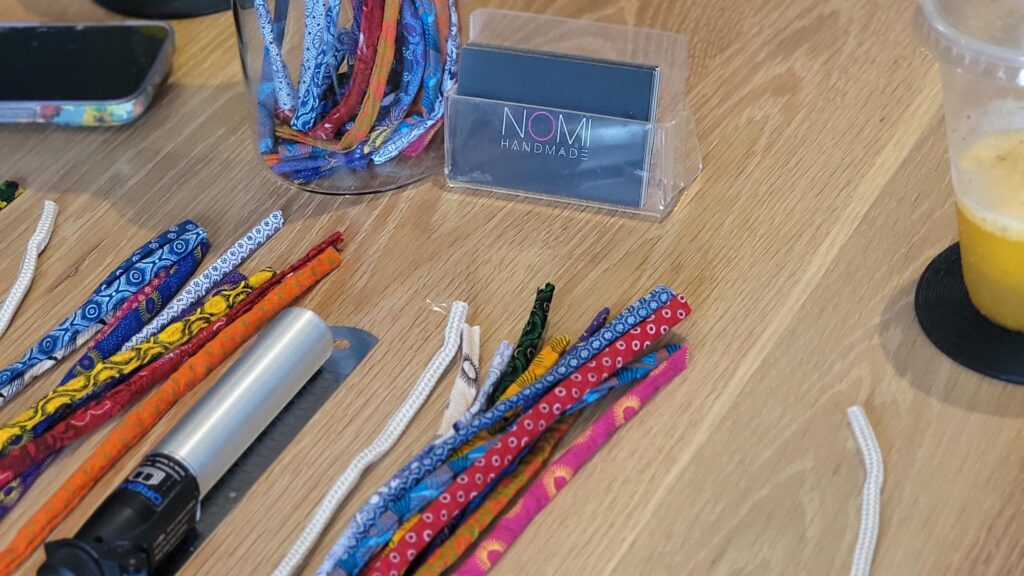
Nomi also played music throughout the workshop and shared her Spotify playlist with us afterward. I still listen to it because apparently I went to Cape Town to make jewelry and came home with an entirely new music collection. I bought several additional pieces from her to bring home as gifts, too.
Somewhere between the galleries, the artwork and wandering around those ridiculous hills, I also found the deli where I had my first bobotie. That started an obsession that continued throughout South Africa and eventually followed me home because I now make it myself.
You can explore Nomi Handmade and her workshops here. If you enjoy meeting artists and learning about the people and history behind what they make, this is exactly the sort of experience I’d recommend building into your time in Bo-Kaap rather than giving the neighborhood 20 minutes and leaving with a photograph.
Give the V&A Waterfront at Least Half a Day
The V&A Waterfront is one of Cape Town’s busiest destinations, built around a working harbour with restaurants, shops, museums, markets and views of Table Mountain. It’s touristy, absolutely, but that doesn’t automatically make it a tourist trap, and I ended up returning several times because there was genuinely that much to explore.
For me, the biggest draws were Zeitz MOCAA and The Watershed, although I also enjoyed wandering around the harbour, watching boats come and go and discovering what was tucked between the larger attractions.
Zeitz MOCAA alone deserves time. The museum was created from a historic grain silo complex, and the building is almost as compelling as the art. The exhibitions change, obviously, but when I visited, the museum gave me access to contemporary artists from across the African continent that I simply do not encounter regularly in American museums.
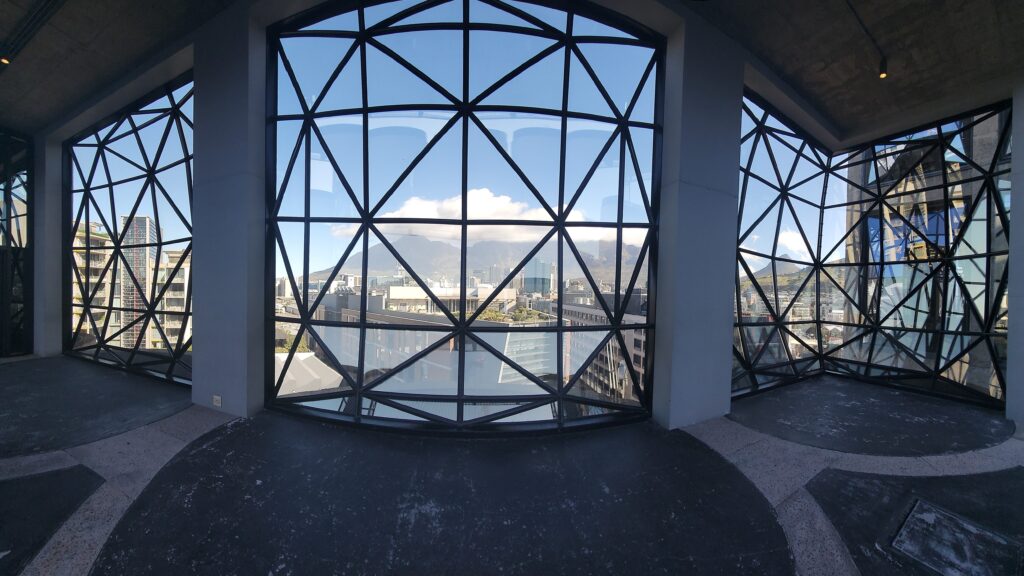
Then there’s The Watershed, which is where any remaining restraint I had regarding shopping went straight out the window. Imagine a huge marketplace filled with independent South African artists, designers and makers, with everything from jewelry and textiles to paintings, ceramics, sculpture and homewares. It felt less like ordinary souvenir shopping and more like walking through an enormous collection of small design studios.
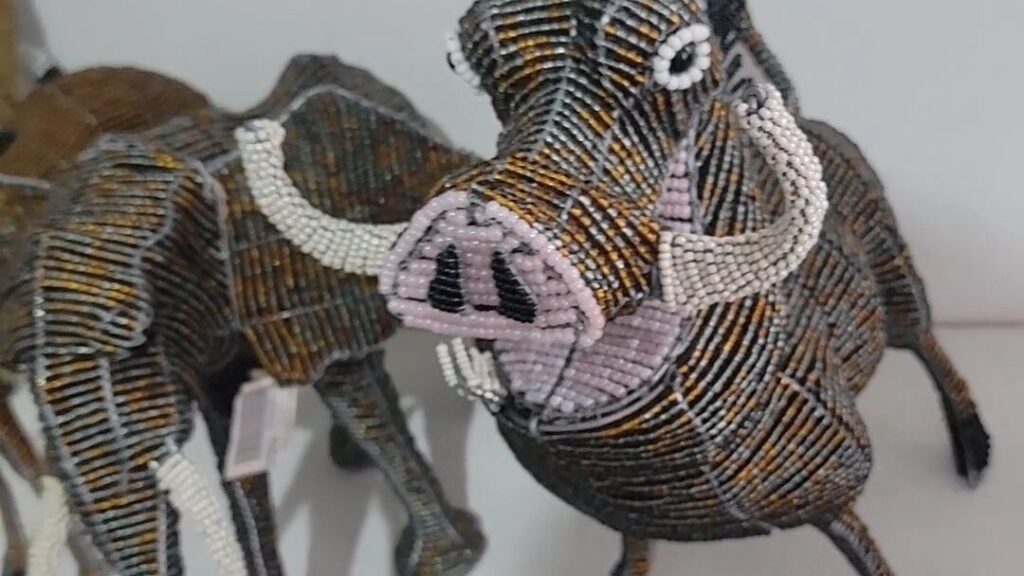
I spent ages browsing and talking to vendors because this is exactly the sort of place I love. I bought a warthog painting and a really unusual brass infinity ring that I wear damn near every day and constantly get compliments on. That’s the kind of shopping I enjoy when I travel, finding pieces that aren’t going to spend the rest of their lives sitting in a drawer.
Between Zeitz, The Watershed, food and simply walking around the harbour, I would give the V&A Waterfront at least half a day. If contemporary art and independent design are particularly important to you, you can very easily spend longer.
Go to Oranjezicht Hungry, Not Looking for Bargains
I went to Oranjezicht City Farm Market twice, once during the day and again later for food and drinks, and I would absolutely go back. What I would not do is send you there looking for cheap souvenirs because this can be a surprisingly expensive market.
I know this because I misunderstood a price tag and somehow walked away with approximately $155 linen pants. They are beautiful and unusual, but they have also been to my tailor multiple times because apparently spending $155 did not include the structural integrity of the pants. Read the damn tag.
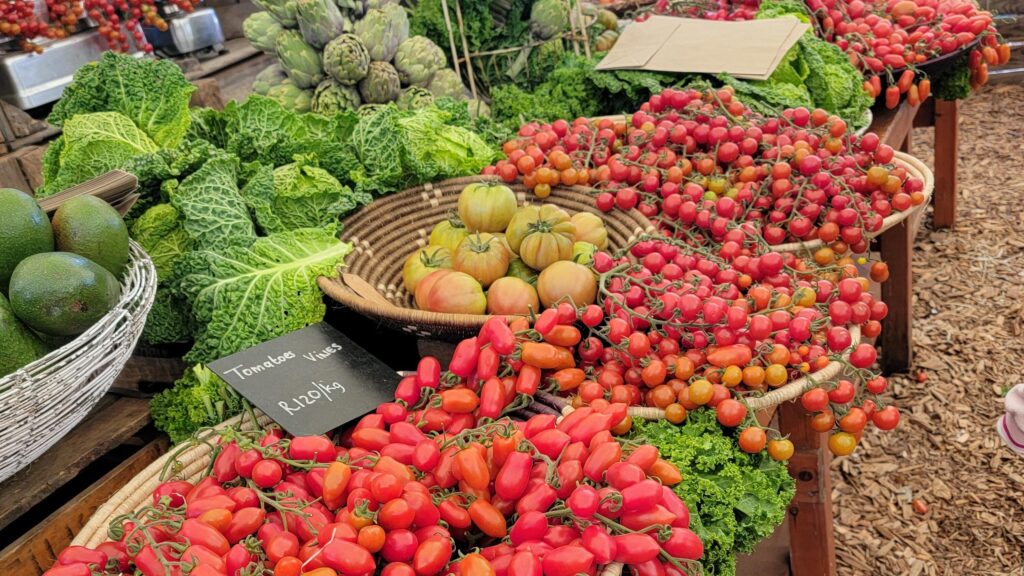
The food is where Oranjezicht really got me. There are prepared food vendors, produce, desserts, wine and enough options that I would plan a meal around the market rather than eating before I went. I also found a wine vendor specializing in smaller production South African wines, which did absolutely nothing to help the South African wine obsession I had developed by this point.
My biggest regret was the mushroom jerky. One vendor was selling mushroom skewers made with several different varieties, along with mushroom jerky that I bought and inexplicably did not open until after I had left Cape Town. It turned out to be the best jerky I have ever eaten, which was particularly irritating because I could no longer go back and buy more. I now ask mushroom farmers in other countries whether they have ever considered making jerky, so apparently this market changed me in ways I wasn’t anticipating.
The market has moved across the road since my 2025 visit, so the current setting is not exactly the one I experienced. Check the current Oranjezicht City Farm Market location and opening hours before you go. It currently operates Saturday and Sunday during the day and Wednesday evenings and is worth every single stop you’ll make there.
Kirstenbosch Is Where Cape Town’s Biodiversity Actually Makes Sense
I mentioned Cape Town’s biodiversity when talking about Company’s Garden, but Kirstenbosch is where you can actually see what makes this part of the world so unusual.
Kirstenbosch National Botanical Garden sits against the eastern slopes of Table Mountain and focuses on South Africa’s indigenous plants. The Cape Floristic Region is the smallest of the world’s six floral kingdoms, yet it has an extraordinary concentration of plant life. Table Mountain alone has roughly 1,500 plant species, about as many as the entire United Kingdom, which puts all the vegetation you see around Cape Town into a completely different context.
One of my favorite parts was the Boomslang, the curved Tree Canopy Walkway that rises through and above the trees. Between the gardens, Table Mountain and the views from the walkway, this is not somewhere I would rush through simply because a botanical garden appeared on a list.
You can check current admission and visitor information through Kirstenbosch National Botanical Garden. The Tree Canopy Walkway is included with garden admission.
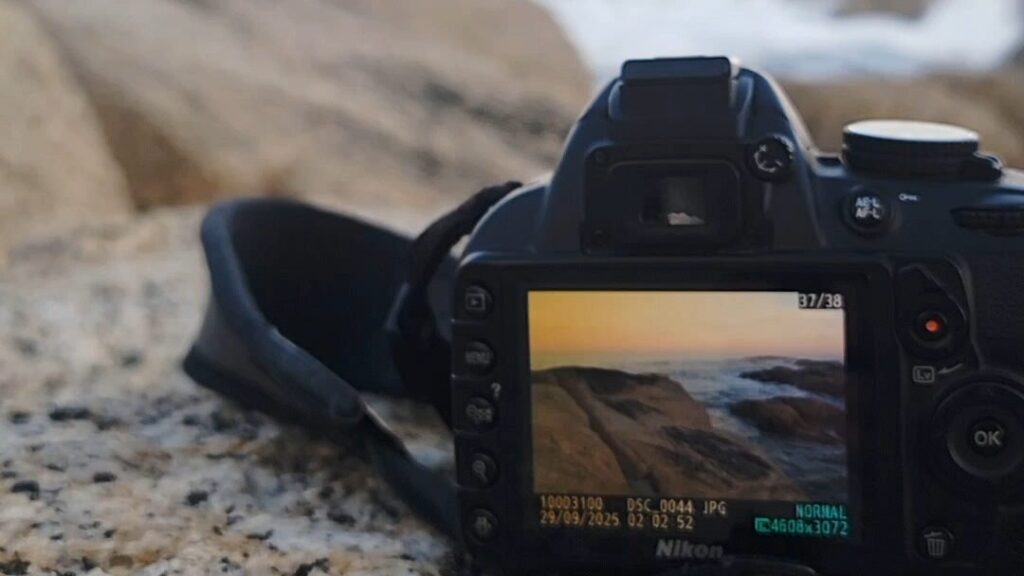
Kirstenbosch is also another reason I found the City Sightseeing bus so useful. It is on the Blue Route, so you can incorporate it into a larger day and continue toward Hout Bay rather than arranging separate transportation for every stop.
Hout Bay Is Worth Getting Off the Bus For
If you’re following the City Sightseeing Blue Route toward Hout Bay, I would absolutely recommend getting off the bus rather than simply admiring the coastline from your seat. Between the working fishing harbour, beach, galleries and independent artists, there’s considerably more here than a scenic stop.
Bay Harbour Market reminded me of a smaller version of The Watershed, with enough different artists and designers to justify visiting both. This is where I bought my sterling silver rhino head earrings and several pieces of meerkat artwork.
I’ve had a thing for meerkats since The Lion King, so apparently finding talented artists who appreciate Timon as much as I do is all the encouragement I need to start spending money.
I also stopped at Fish on the Rocks, the extremely unfussy fish and chips place beside the harbour, and I would absolutely eat there again. Their current menu still lists hake and chips, snoek, yellowtail, calamari and other seafood combinations, and they still specifically list cash as accepted, so I would have some on me rather than assuming otherwise.
If art and food interest you, prioritize the harbour and market area and then add the beach depending on how much time you have.
Constantia Can Be Two Hours or an Entire Wine Day
Constantia is one of the things I would absolutely include in a Cape Town first time visitor guide because you don’t have to leave the city to experience some of South Africa’s most historic wine estates. You can visit one winery for a couple of hours or spend an entire day exploring the region, depending on how seriously you take your wine.
My first stop was Groot Constantia, South Africa’s oldest wine producing estate, where I met Joshua, who guided me through the property’s history before leading our chocolate and wine pairing. Naturally, I had questions, particularly about the estate’s connection to Napoleon Bonaparte.
While Napoleon was exiled on the island of Saint Helena, he received regular shipments of Constantia’s famous dessert wine, Grand Constance. We’re talking approximately 30 bottles a month, which seems like a fairly committed relationship with a wine considering the circumstances. The estate has revived the historic wine, and after talking with Joshua about its history, there was absolutely no chance I was leaving without a bottle.
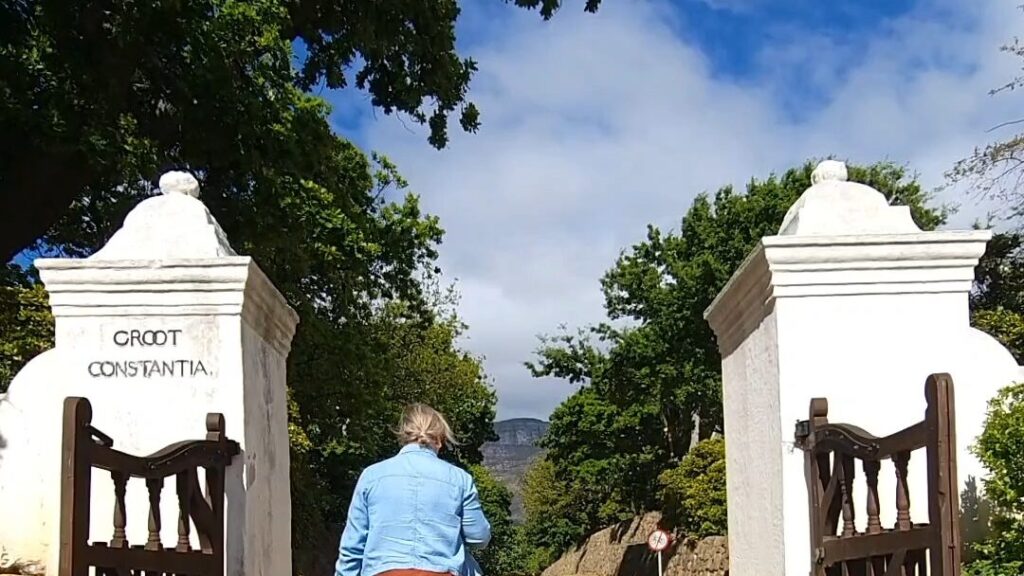
I actually had mine shipped home because Groot Constantia offers shipping, and some of its wines are considerably harder to find in the United States. I can walk into Binny’s in Chicago and buy certain Groot Constantia wines, but Grand Constance was the bottle I wanted because of its history. If you find something special while visiting, ask about shipping options and restrictions before assuming you’ll be able to find it at home.
I returned to Constantia another day to visit Beau Constantia, which has phenomenal views over the valley and False Bay. It’s the kind of setting where I would happily spend an afternoon with a glass of South African Chenin Blanc, a wine I became slightly obsessed with during this trip.
The City Sightseeing Purple Route makes Constantia relatively easy to incorporate into your plans, although I would check individual winery opening days and tasting availability before heading out. If you’re interested in one estate, a couple of hours may be enough. If wine is a major part of your trip, give Constantia the entire day and arrange transportation so nobody has to volunteer to be the designated driver.
Choose Your Full Day Excursions Carefully
One of the reasons seven days in Cape Town disappeared so quickly was that several of my excursions took up an entire day. That’s something to consider when planning your first Cape Town itinerary because Stellenbosch and Franschhoek might look close enough on a map, but once you start visiting wineries, having lunch and actually enjoying yourself, you can pretty much kiss the rest of that day goodbye.
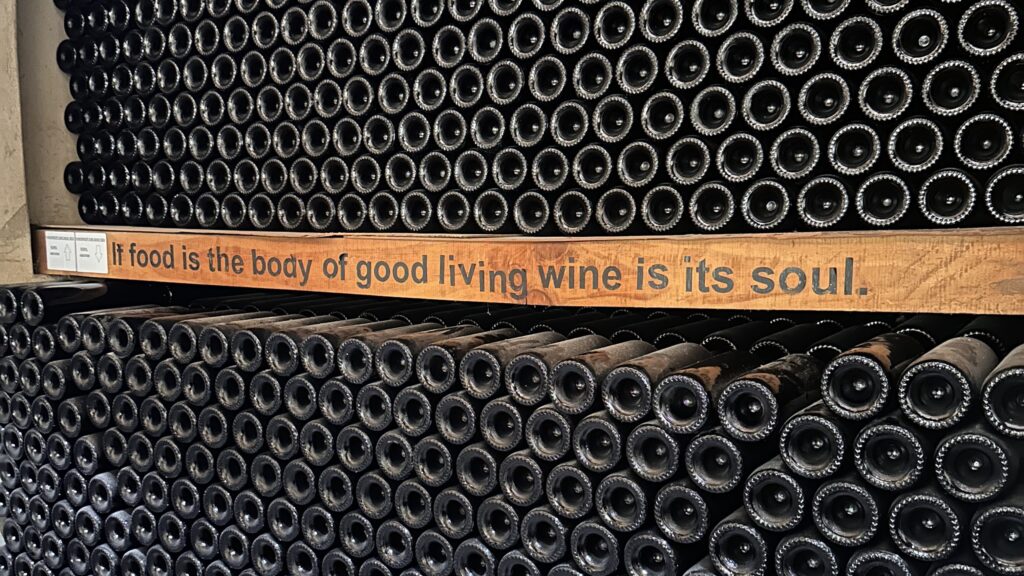
I spent a full day exploring the Winelands with a private guide, visiting Thelema, Kanonkop, Rainbow’s End and Stark-Condé. Rainbow’s End was my absolute favorite, a gorgeous little family winery surrounded by mountains, where I fell even further down the South African wine rabbit hole. I particularly loved the Chenin Blanc I tasted there, although I’d check its current availability before visiting. At Kanonkop, the Paul Sauer was phenomenal, and if you enjoy a serious red wine, that’s one I’d consider buying at the estate rather than assuming you’ll find the same bottle back home.
Stark-Condé was another place I wish we’d had more time, partly because the setting and lunch were fantastic, but also because there’s a designer studio called Elsje Designs tucked away above Postcard Café. It’s ridiculously easy to miss unless you notice the sign, and if you appreciate South African art and design, do yourself a favor and go upstairs before you leave.
Most visitors experience Stellenbosch and Franschhoek through a guided wine tour, private driver or the Franschhoek Wine Tram, and those options won’t necessarily take you to the same estates. Our private guide allowed us to visit four wineries, but I could easily return for another couple of days because we barely scratched the surface. If wine is a priority, don’t assume one day trip is going to satisfy you.
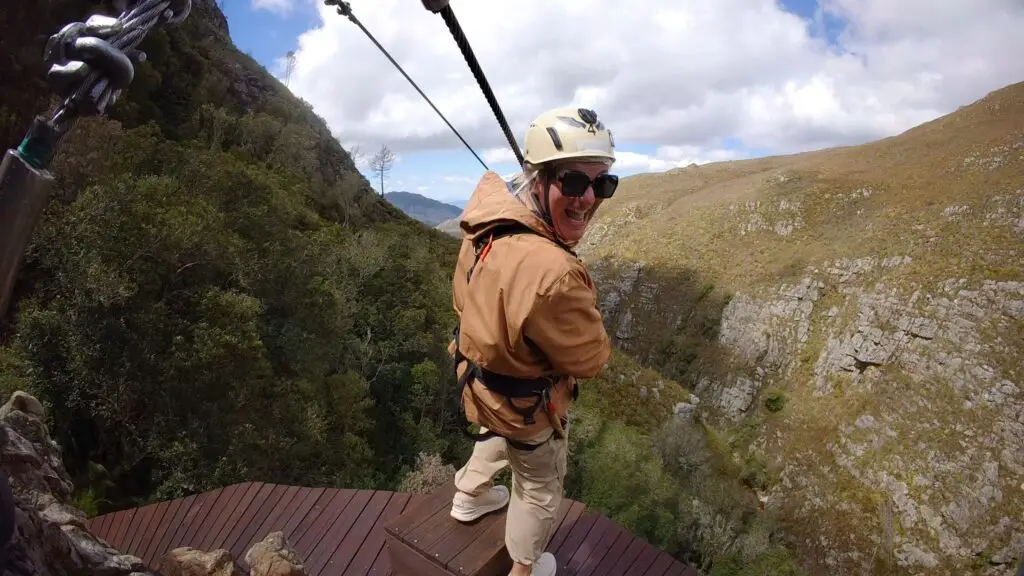
I also spent a day ziplining in the Hottentots Holland mountains, part of the Cape Floristic Region’s World Heritage landscape. Between the journey out, the experience itself and getting back to Cape Town, there wasn’t much day left for anything else. It was absolutely worth doing, but it’s another example of why you need to account for the travel time rather than treating every excursion as something you can squeeze into a spare afternoon.
My advice is to decide which experiences deserve their own day before filling in the rest of your Cape Town itinerary. There’s nothing wrong with spending several days outside the city, but don’t give yourself seven days in Cape Town and then wonder why you only had three to explore it.
What I’d Change on My Next Cape Town Trip
The one thing I know for certain is that I’m going back to Cape Town. I still have Robben Island, the Cape Peninsula and those damn penguins to see, not to mention several more days I’d happily devote to the Winelands and if Cape Town ever decides to lift my paragliding detention, perhaps I’ll finally get off that mountain.
That’s also what I love about travel. I don’t need to see absolutely everything to know a destination was worth the trip, and I certainly don’t consider a place finished simply because I’ve been there once.
If you’re putting together your own Cape Town itinerary and wondering how to fit the city, the Winelands and everything else into the time you have, that’s exactly the sort of thing I help people figure out as a travel designer. I can help you decide where to stay, which experiences make sense together and how to build a trip around what actually interests you rather than somebody else’s checklist.
Contact me if you’d like help planning your South Africa trip. I can’t promise Cape Town will cooperate with the weather, but I can certainly help you come up with a better Plan B.