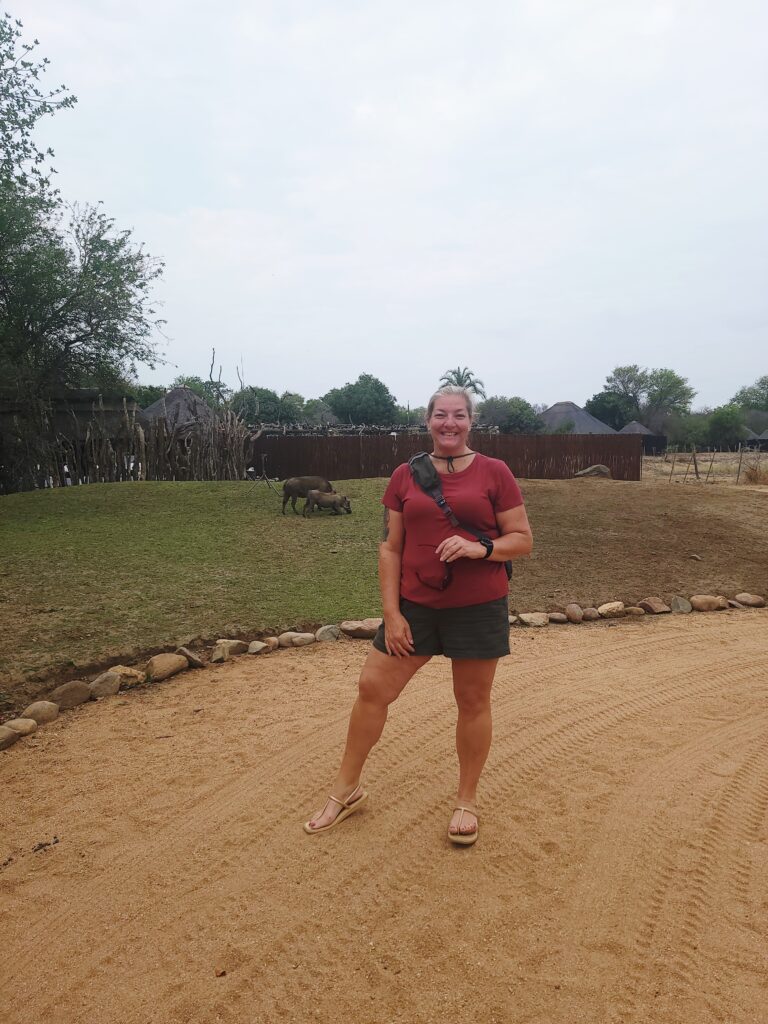
I went to South Africa expecting lions, elephants, giraffes, and hopefully a leopard if the universe was feeling generous. What I wasn’t expecting was to learn about drinking water squeezed from elephant dung, develop a fascination with white hyena poop, or discover that my favorite animal in the entire African bush would be a warthog.
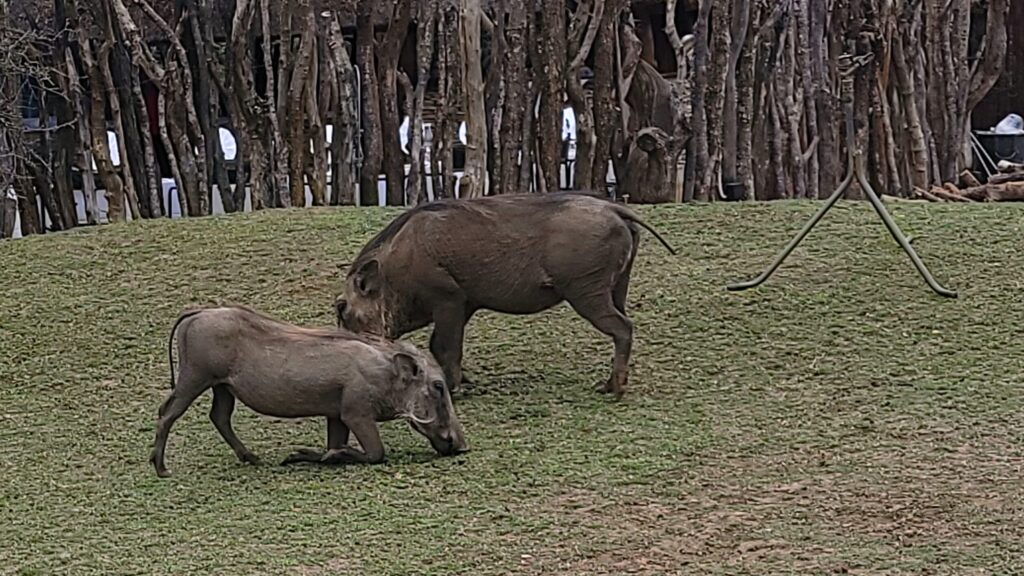
Not the lion, leopard, or even the three cheetahs I stood remarkably close to. The warthog, with its ridiculous little backside, won me over completely. This might not be your traditional safari guide but its an honest one and highlights everything I experienced along the way.
I spent three nights at Karongwe Private Game Reserve, near Greater Kruger, as part of a longer trip through southern Africa. Our group headed into the bush twice a day, searching for wildlife with guides who seemed to know every animal, tree, track, and suspicious pile of excrement in the reserve.
We saw the traditional Big Five, lions, leopards, elephants, rhinos, and buffalo, along with cheetahs and endangered African wild dogs. There were also hyenas, hippos, giraffes, zebras, and enough impalas that I eventually stopped counting.
If you’re planning your first safari, here’s what three nights taught me about choosing a reserve, surviving the game drives, and knowing what you’re actually paying for.
Choosing Your South Africa Safari: Private Reserve or National Park?
This is probably the most important decision you’ll make, because not all safaris work the same way.
We stayed at Karongwe, a private reserve near Hoedspruit in the Greater Kruger region. Our accommodation, meals, and guided game drives were arranged as part of the stay, so there was no figuring out where to drive or how to locate a leopard. That was someone else’s job, thankfully.
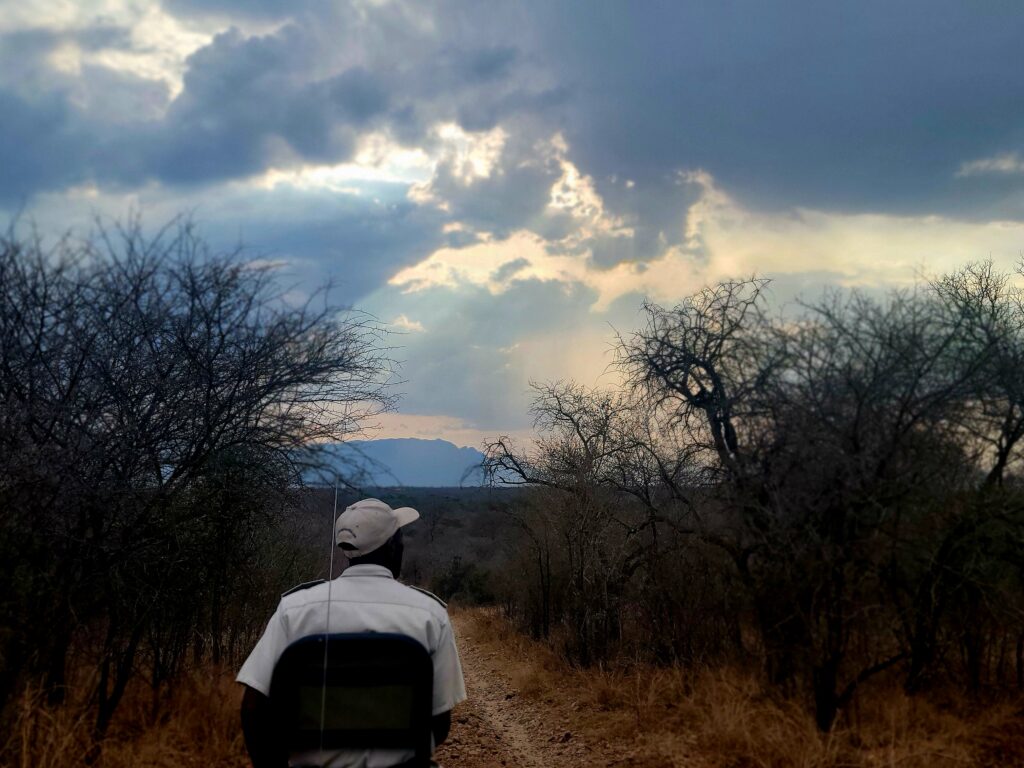
Our guides knew the reserve, communicated sightings over their radios, and understood animal behavior in ways that made the entire experience more interesting. We even encountered members of the anti-poaching unit, a reminder that protecting these animals requires considerably more work than most visitors ever see.
At Kruger National Park, you can self-drive along designated roads, stay in park accommodations, or book guided activities. It’s generally a more flexible approach and can be considerably less expensive, depending on how you travel.
For a first safari, I’d lean toward a private reserve with experienced guides if your budget allows. Otherwise, Kruger is an excellent alternative, and combining the two gives you different perspectives on the same region.
Before booking, ask how many guests share a vehicle, whether game drives and conservation fees are included, and whether the lodge provides transfers. A beautiful room means considerably less when you discover the actual safari costs extra.
Life at Karongwe: Luxury, Wildlife, and Absolutely No Quiet Hours
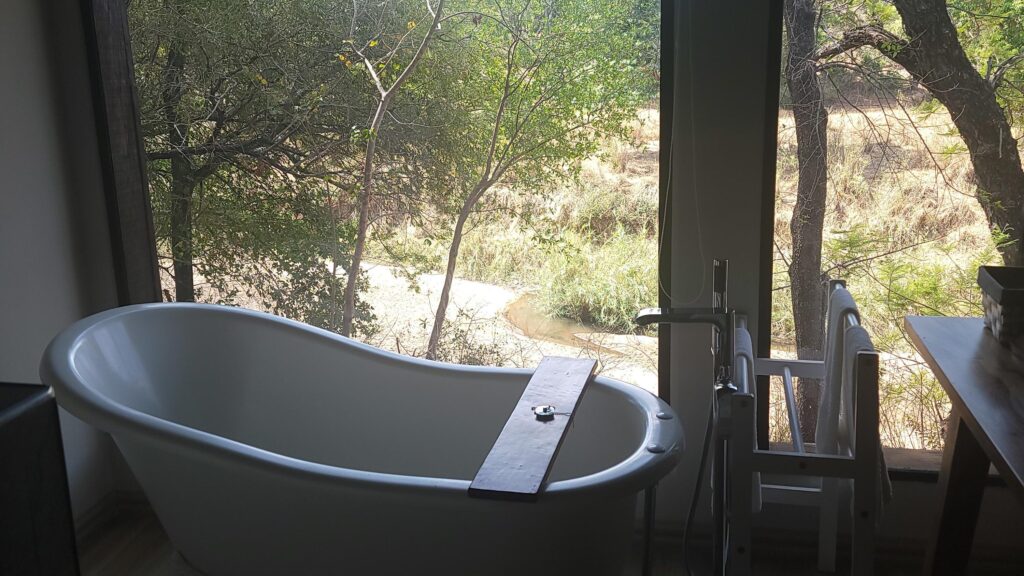
Our accommodation overlooked a mostly dry riverbed, where animals wandered in search of water. The property was gorgeous, with pools, a spa, phenomenal food, and cabins that I suspect were designed for honeymooners.
I was sharing with another woman, and our bathroom offered about as much privacy as a department store window display. The enormous bathtub beside a picture window overlooking the bush was beautiful, although watching animals search for water during the dry season made filling it feel rather excessive. I settled for about a quarter of a tub.
The wildlife, meanwhile, had no intention of respecting our downtime.
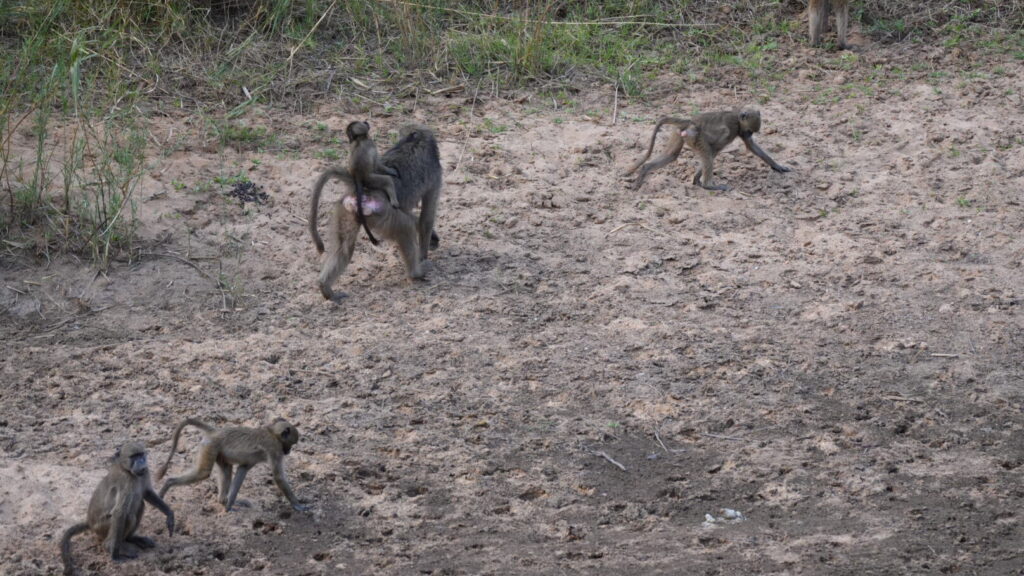
On our first day, an enormous troop of monkeys descended near our cabin and one of the pools, where they proceeded to have an absolute meltdown. Food and water were scarce, the flowering plants they’d been feasting on were apparently running out, and there were an awful lot of monkeys competing for what little remained.
If you’ve ever heard monkeys fighting, you know they aren’t remotely subtle. The screaming was so intense that I eventually retreated indoors and put on my headphones because whatever was happening sounded particularly unpleasant.
My roommate heard roaring, monkeys, and all sorts of wildlife activity throughout the night. Fortunately, I’d packed my Loop earplugs and a fan, two of my most valuable safari accessories. If you’re a light sleeper, take the hint.
One thing worth checking before booking is whether your lodge requires escorts after dark and how much privacy the rooms actually offer, especially if you’re sharing with someone who isn’t your romantic partner.
What Game Drives Actually Feel Like
Our mornings started around 5:30, followed by coffee in the bush and breakfast back at the lodge. We had the afternoon to swim, nap, or book a massage before heading out again around 4 p.m., usually stopping for sundowners before dinner.
The game drives themselves came with something our guides cheerfully called the African massage.
If you’ve never spent hours bouncing around in an open safari vehicle over rocks, ruts, and uneven tracks, imagine paying someone to shake every bone in your body while you attempt to photograph a leopard. It was hilarious, although I quickly learned the importance of holding onto my camera.
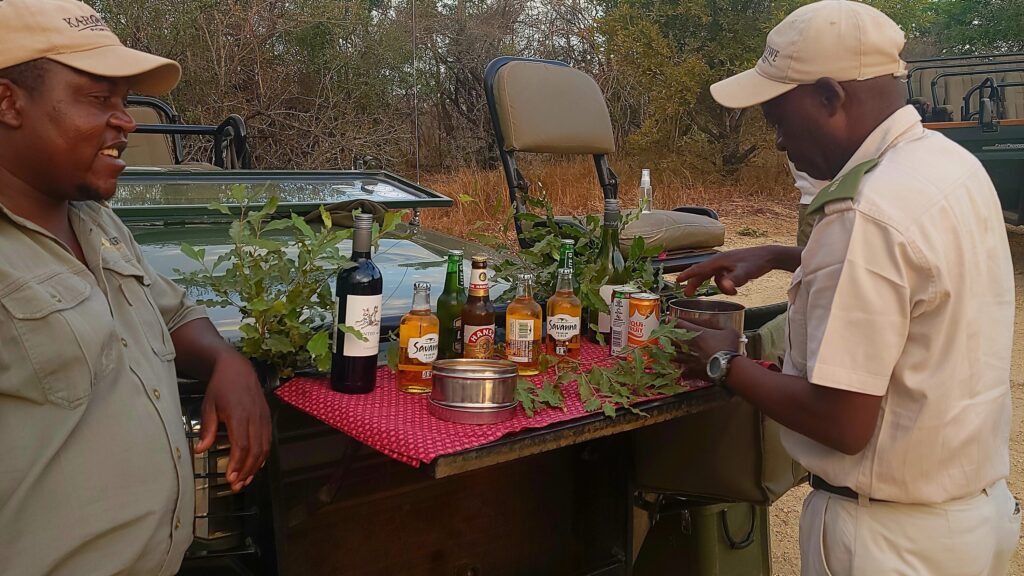
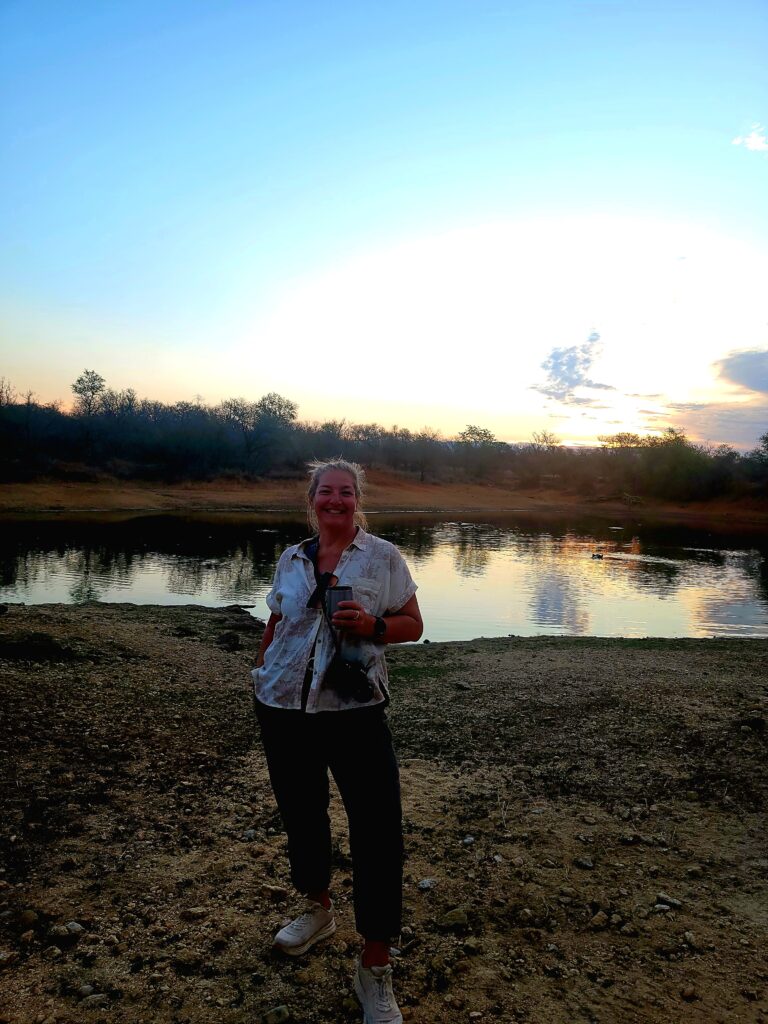
Our first sundowner was beside a pond containing what looked like 20 hippos, along with crocodiles and birds. I stood there drinking wine, listening to the hippos making an extraordinary amount of noise, and wondering how this had become my Friday evening.
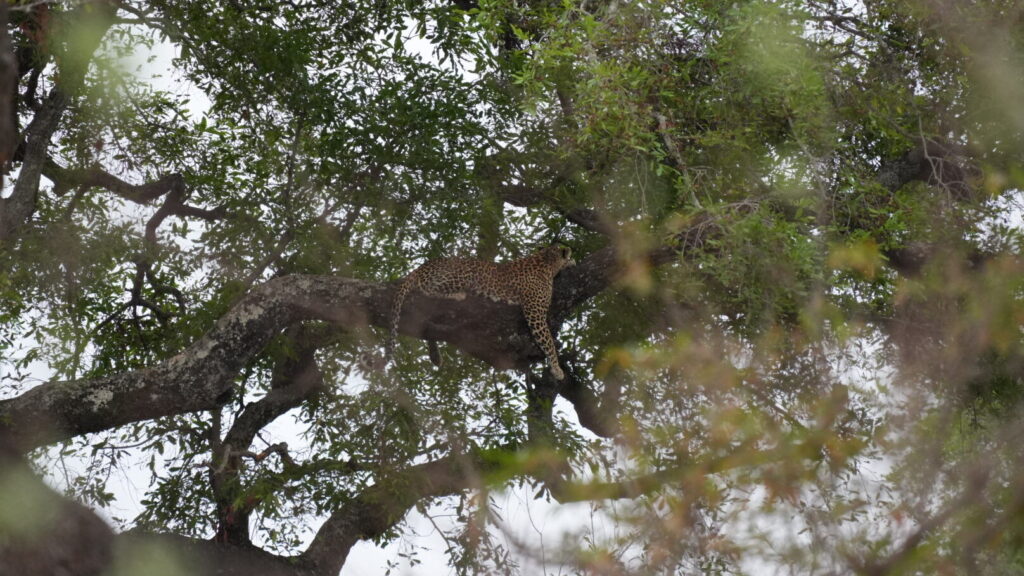
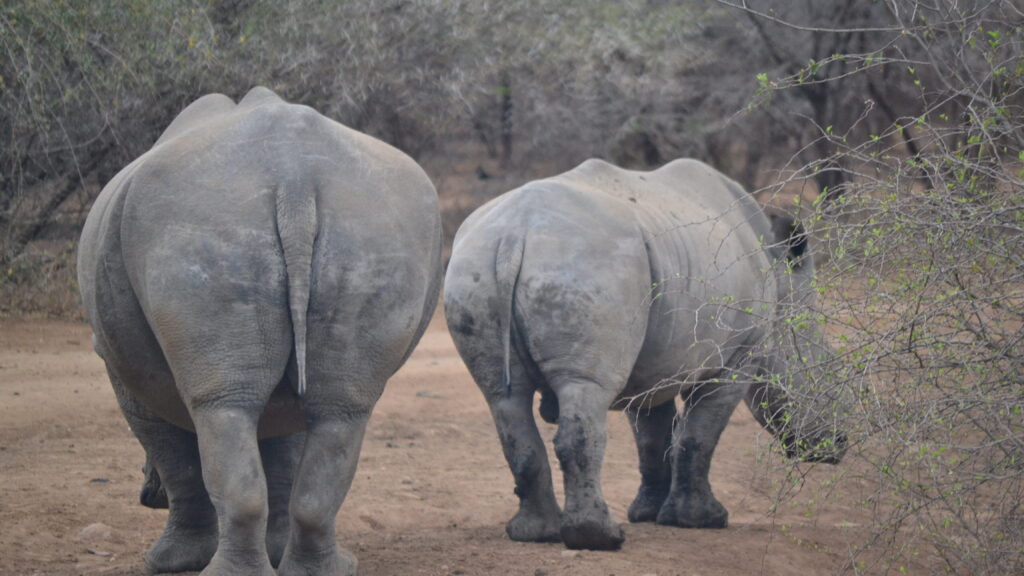
Over the next few days, we saw lionesses with cubs, a leopard climbing into a tree, and rhinos that seemed to freeze whenever they noticed us.
We drove through a buffalo herd numbering in the hundreds before encountering four enormous males blocking the road. They stared at us with the expression usually reserved for someone who has taken your parking space.
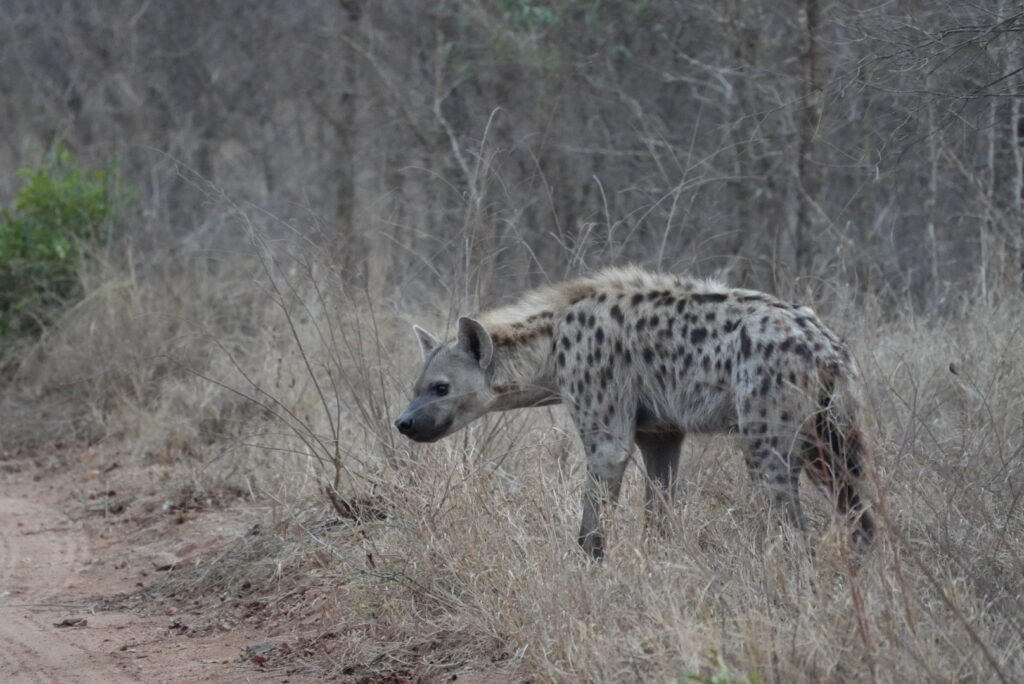
Another morning, we watched zebras with young animals turn and charge a hyena that had approached them. Apparently, nobody had informed the hyena that breakfast was going to fight back.
One thing I would tell anyone going on their first safari is don’t become obsessed with the Big Five. Wildlife sightings are never guaranteed, and some of the best moments happen when you stop treating the experience like a checklist. Ask your guides questions, watch how animals interact, and appreciate the smaller creatures, too.
Also, bring layers. An open vehicle at sunrise can be surprisingly cold, and the African massage isn’t nearly as entertaining when you’re freezing.
Three Cheetahs and the Tallest Giraffe in Africa
One of our most extraordinary encounters involved three male cheetahs resting together.
Our guides allowed us to approach on foot, following strict instructions to remain upright, move quietly, and keep our distance. We were close enough that I could hardly believe it, yet the cheetahs seemed thoroughly unimpressed. One stood, looked at us, and promptly lay back down.
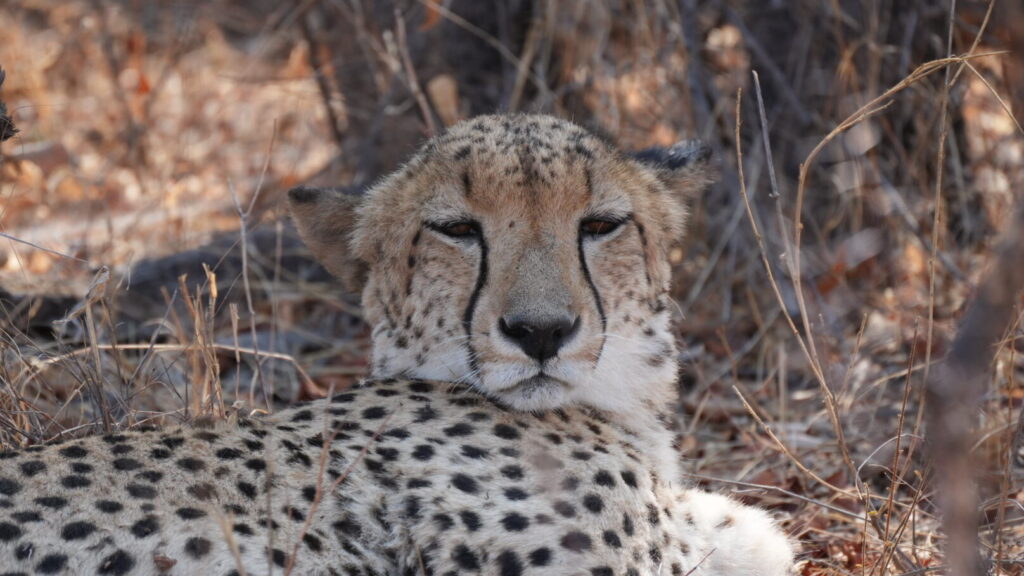
This was a guided encounter with free-ranging animals, not an opportunity to touch or feed predators. If you’re researching safari operators, that’s a distinction worth understanding. I’d avoid any experience advertising lion walks, cub petting, or guaranteed physical contact with wild animals.
Then there was the giraffe.
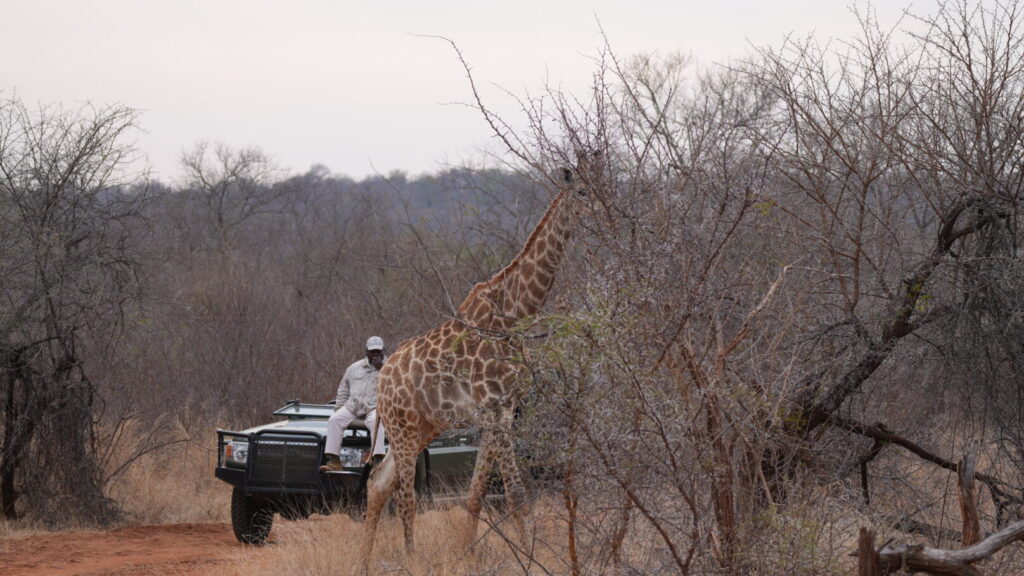
We’d already watched one drinking with its legs spread so awkwardly that it looked like a baby trying to figure out how its limbs worked. But another giraffe appeared so impossibly tall that I was convinced I’d found some extraordinary specimen.
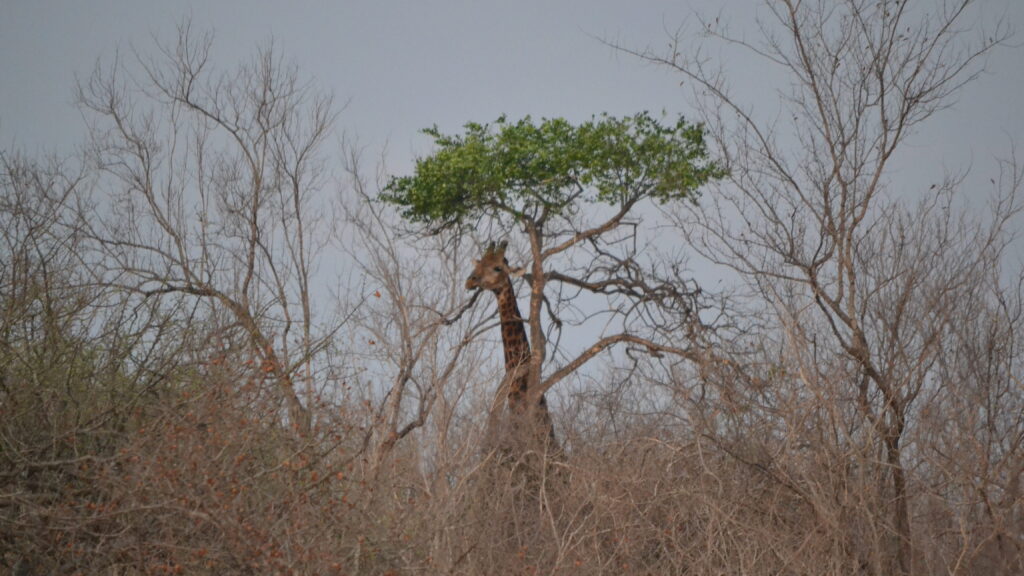
Then I realized it was standing on a massive termite mound.
Some of these mounds were twice my height and hard as rock. Our guides explained that termite-mound soil has traditionally been used in parts of Africa for constructing walls and bricks, which suddenly made sense once I’d seen how solid they were.
My record-breaking giraffe had simply found himself an excellent viewing platform.
The Bush Walk: No Wildlife, Plenty of Poop
Our guided bush walk produced almost no wildlife sightings, but it turned out to be one of the most educational parts of the trip.
We learned about tracks, trees, feeding habits, and an extraordinary amount about animal droppings. Apparently, there was even a difference between scat, poo, and shit, although I can’t remember the explanation and have since discovered there isn’t a universally recognized scientific distinction between those terms. I’m beginning to suspect our guide was having a little fun with us.
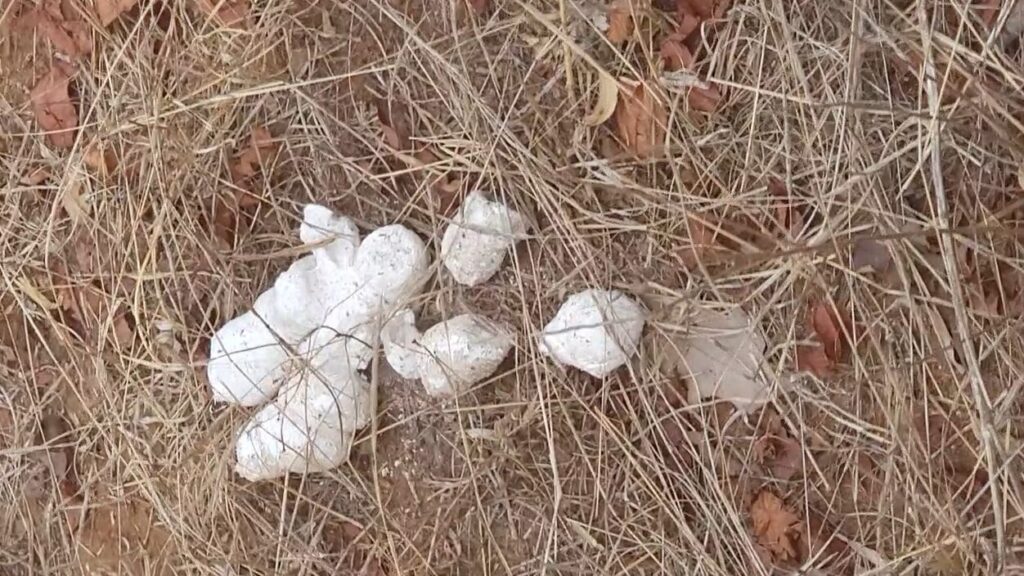
What I did learn was that hyena poop really is white. I’d grown up watching The Lion King, so the association was somewhere in the back of my mind, but seeing an actual pile of chalk-white hyena droppings was surprisingly fascinating. Hyenas consume bones, and the calcium gives their droppings that distinctive color.
Then there was buffalo poop, which was an entirely different revelation. Buffalo have a four-compartment stomach, and their digestive process produces enormous, layered piles of dung that almost look like little waterfalls frozen in place. I realize how ridiculous this sounds, but I actually thought they were rather pretty.
Imagine traveling halfway around the world to see some of the most extraordinary animals on the planet and finding yourself admiring the structural integrity of their shit.
Then came the elephant dung discussion.
Our guide described a traditional remedy involving squeezing liquid from fresh elephant dung and drinking it for an upset stomach. Personally, I would have thought that would accomplish the exact opposite, and I have no intention of testing the theory. There’s no reliable medical evidence supporting it, and consuming anything contaminated with animal feces carries obvious health risks.
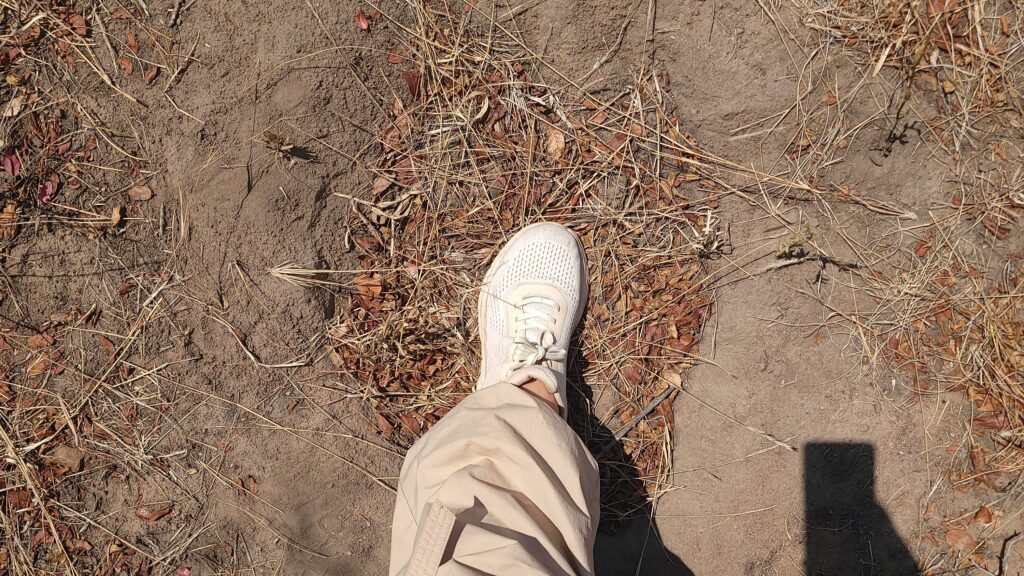
If your reserve offers a guided bush walk, consider taking it. Our guides gave us the chance to cancel it because it was at the end of dry season and they said it would likely be fairly boring but we opted to continue and move forward, frankly you’re unlikely to cover as much ground as you would in a vehicle, but learning to recognize tracks, plants, and signs of wildlife adds another dimension to the experience.
Just don’t expect every discovery to be particularly glamorous, sometimes you just learn about more poop or just how small your size 12 is in an elephant print.
When to Go, What to Pack, and How Long to Stay
For the Greater Kruger region, the dry season from roughly May through September is generally excellent for wildlife viewing because vegetation is thinner and animals often concentrate around available water. We visited near the end of the dry season, when the riverbed outside our accommodation was almost empty.
The wetter summer months bring greener landscapes, birdlife, and young animals, although thicker vegetation can make some wildlife harder to spot.
Three nights worked well for us, but I’d recommend three to four nights for a first safari if your schedule allows. We were fortunate to see an extraordinary range of animals, but no reputable operator can guarantee sightings.
As for packing, safari advice can get rather excessive. You’re told to wear khaki, avoid bright colors, and generally dress as though you’re auditioning for Out of Africa.
Meanwhile, a woman in our group wore an entire animal-print outfit, and absolutely nothing happened.
Neutral clothing is sensible, especially for bush walks, but you don’t need an entirely new wardrobe.
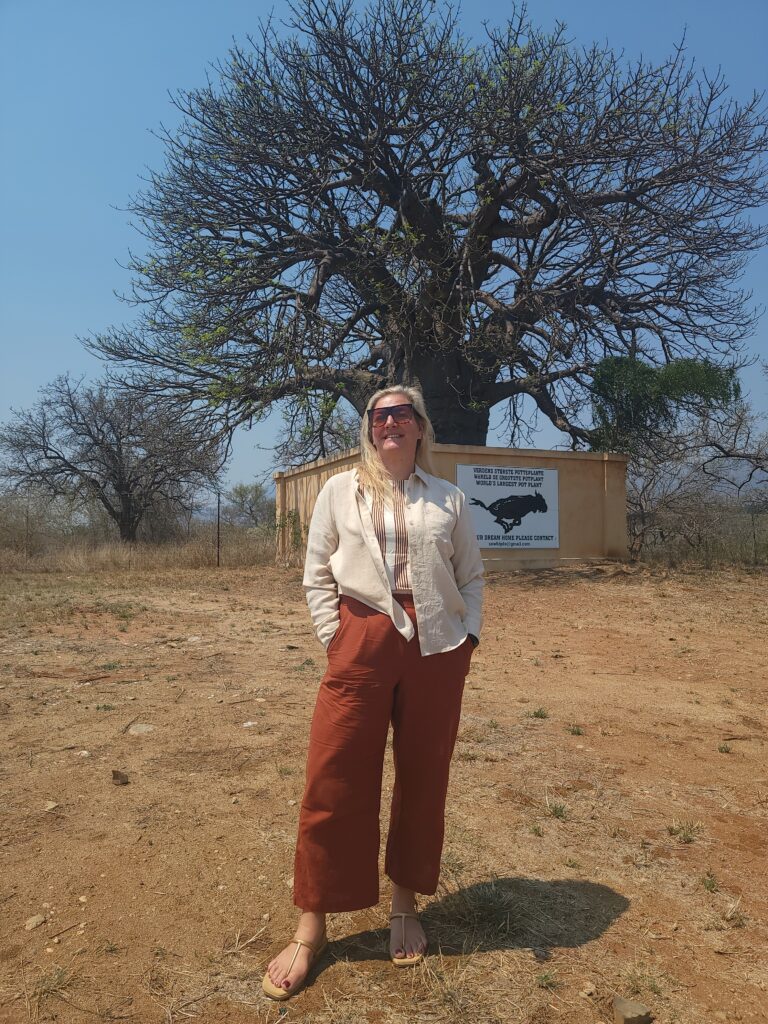
Bring comfortable layers, closed-toe shoes, sunscreen, a hat, binoculars, insect repellent, and a camera with a decent zoom. Add earplugs if you’re a light sleeper, and don’t forget a power bank.
Before traveling, check the CDC’s South Africa health guidance, particularly for malaria prevention in the Greater Kruger region.
One final booking tip: Check your arrival and departure times against the game-drive schedule. A three-night stay isn’t particularly useful if you arrive too late for the first afternoon drive and leave too early for the last morning one.
Is a South Africa Safari Worth It?
Absolutely, although perhaps not for the reasons I expected.
The lions, leopards, cheetahs, and elephants were extraordinary, but so were the guides who could interpret the landscape, the conversations with the people working at our lodge, and the chance to understand how much conservation work happens behind the scenes.
I also came away with an entirely new appreciation for warthogs, which have the cutest little backsides in Africa, and I will not be accepting arguments to the contrary.
If you’re planning a safari as part of a longer southern Africa trip, consider combining South Africa with Botswana, Zambia, or Zimbabwe. Each offers a different experience, and the logistics matter more than you might expect.
You can explore more destinations in my Africa travel guide, and if Victoria Falls or Chobe is on your itinerary, my KAZA Univisa guide explains how to manage the Zambia–Zimbabwe border crossings without unnecessary bureaucratic drama.
For help deciding which reserves to visit, how long to stay, and how to connect everything into one trip, explore my travel design services.