
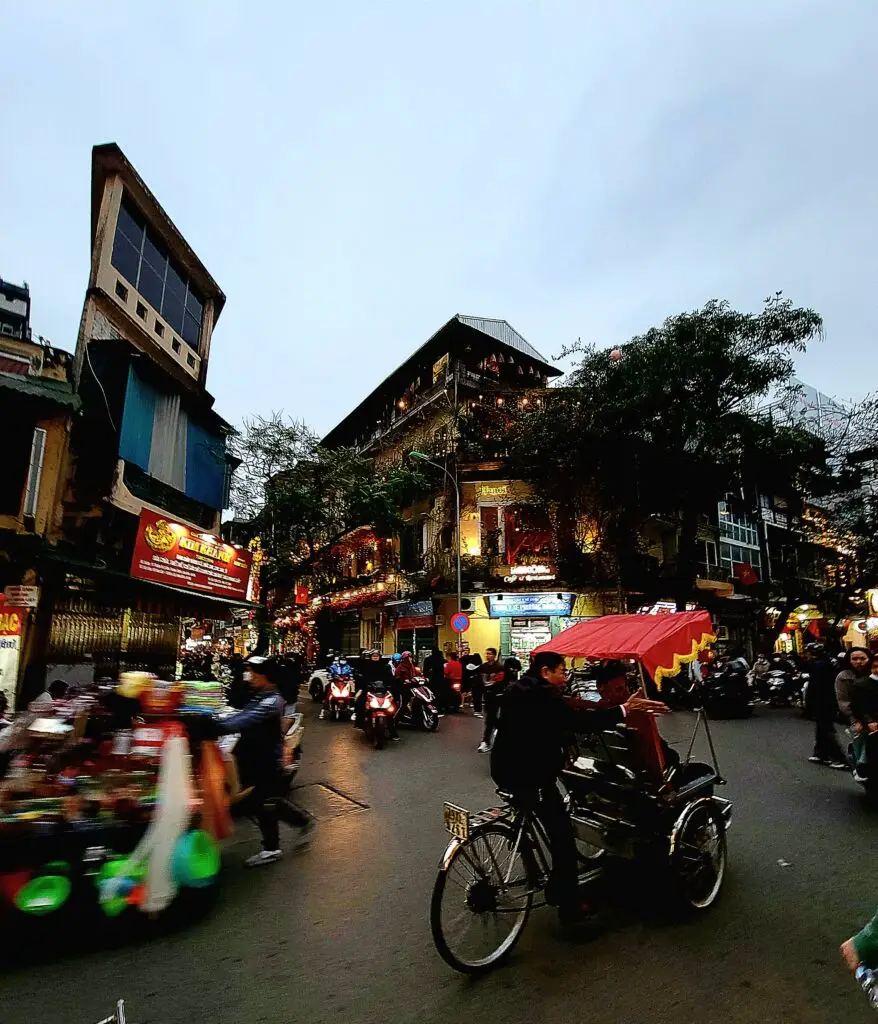
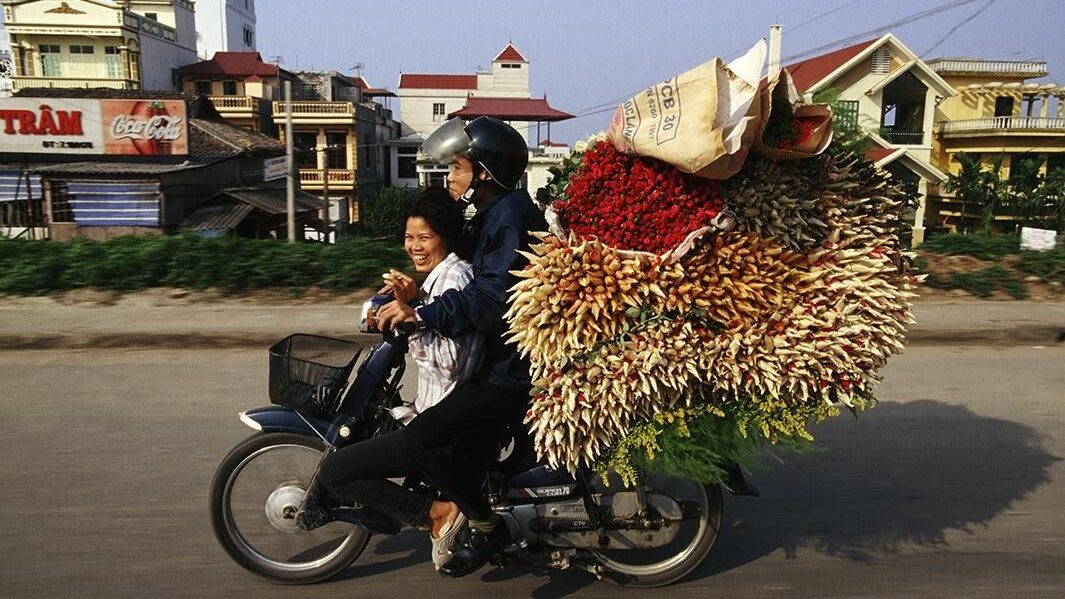
Vietnam doesn’t stalk anyone in dark alleys. It barrels past on a motorbike carrying a family, a crate of eggs, and a potted plant while a foreigner is still trying to decide whether the crosswalk is decorative or a dare.
Safety isn’t the question, bandwidth is.
At least, that’s how Vietnam felt to me. I traveled from Hanoi to Ho Chi Minh City with G Adventures, which arranged much of our transportation and several excursions, but I also explored independently, sometimes alone and sometimes with other women from the group. I never experienced harassment, theft, or anything that made me uncomfortable traveling as a woman. I’d happily return on my own.
That doesn’t mean Vietnam is without risks. It means the things I’d prepare for are more specific than the usual warnings about traveling alone. Transportation, opportunistic theft, unfamiliar traffic, and a few well-known tourist scams deserve attention but none of that should overshadow how much there is to enjoy.
Solo Female Travel in Vietnam: Is It Actually Safe?”
Vietnam is generally considered an approachable destination for independent travelers, and my experience supported that reputation. Its official tourism website highlights the country’s established solo-travel infrastructure, although visitors should still take precautions against petty theft and other common travel risks.
What interested me was how ordinary it seemed for women to occupy public space independently. Whether I was wandering through markets, exploring side streets, or out in the evening, women were everywhere, simply going about their lives. As a tall, conspicuous foreigner, I occasionally felt like a walking exclamation point, but the attention I received was generally curious rather than hostile. I never felt that being a woman on my own was somehow unusual and would open me up to being targeted easier.
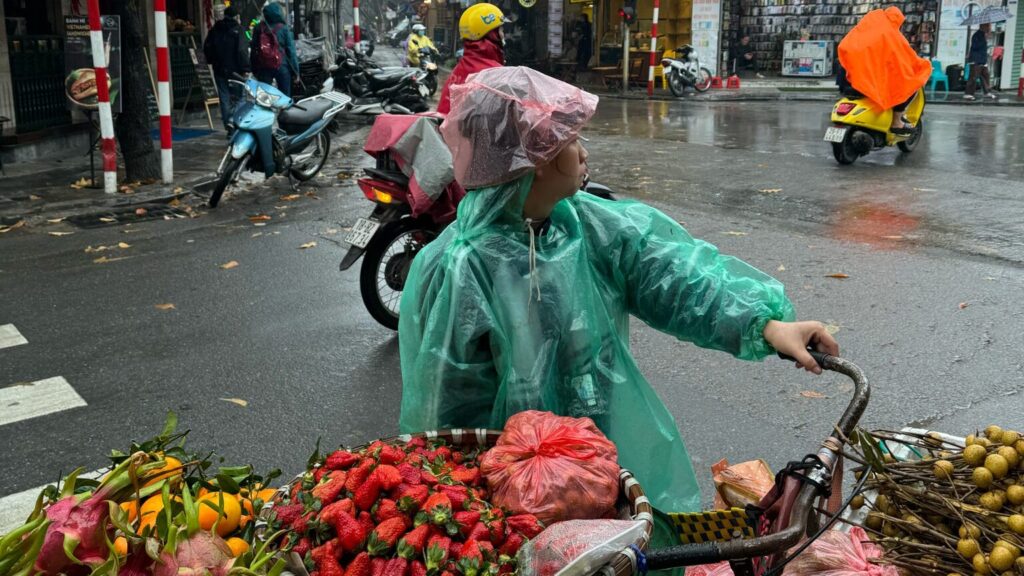
That sense of comfort also made me curious about how public safety functions in Vietnam so of course I went down that rabbit hole! The country has different police units responsible for criminal matters, traffic enforcement, and neighborhood-level issues. If your passport goes missing or you need to report a theft, knowing where to start is considerably more helpful than simply being told to contact the authorities. The local ward or commune police can be an appropriate starting point, while traffic police handle road-related matters. Morning Vietnam’s guide to the country’s police forces explains who does what and why having someone help translate can make the process considerably easier.
If you’re staying in a hotel then I’d ask my hotel to help locate the appropriate station and assist with translation if necessary. Vietnam’s police emergency number is 113, but English-language assistance shouldn’t be assumed.
What required more adjustment for me was the intensity of everyday life. Traffic is constant, sidewalks have approximately seventeen competing uses, and the entire experience can leave your brain running a few seconds behind everyone else’s. That’s what I mean by a high-bandwidth country. Sometimes the most sensible thing you can do is sit down with a coconut coffee and let your nervous system catch up.
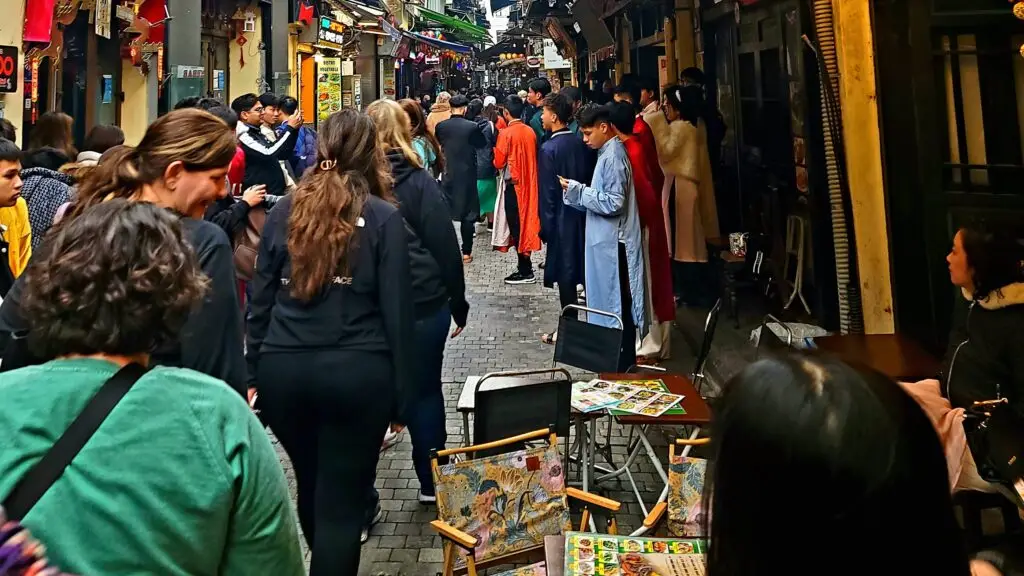
I’ve written more about that side of the experience in Vietnam: A Country That Moves Before You Finish Your Sentence. For now, let’s talk about the practicalities.
Before You Land: Get Your Phone Working
Before worrying about airport transfers or finding your hotel, make sure your phone will actually work when you arrive. After an eighteen-hour journey, the last thing I want to do is to stand in an airport trying to connect to the internet while simultaneously remembering what country I’m in.
If your phone is unlocked and supports eSIMs, I recommend installing one before departure. I use Airalo, which offers Vietnam data plans, and three to five gigabytes is generally enough for my travel habits because I also use hotel Wi-Fi.
Here’s a little trick I’ve developed: I’ll sometimes buy a small, one-gigabyte U.S. eSIM and test the installation process while I’m still at home. That way, I know my phone supports it and understand how to switch between lines before buying and installing the plan for my destination. It doesn’t guarantee the overseas network will connect, but it eliminates a lot of the guesswork and eliminates user error, which is why eSIM’s generally don’t work.
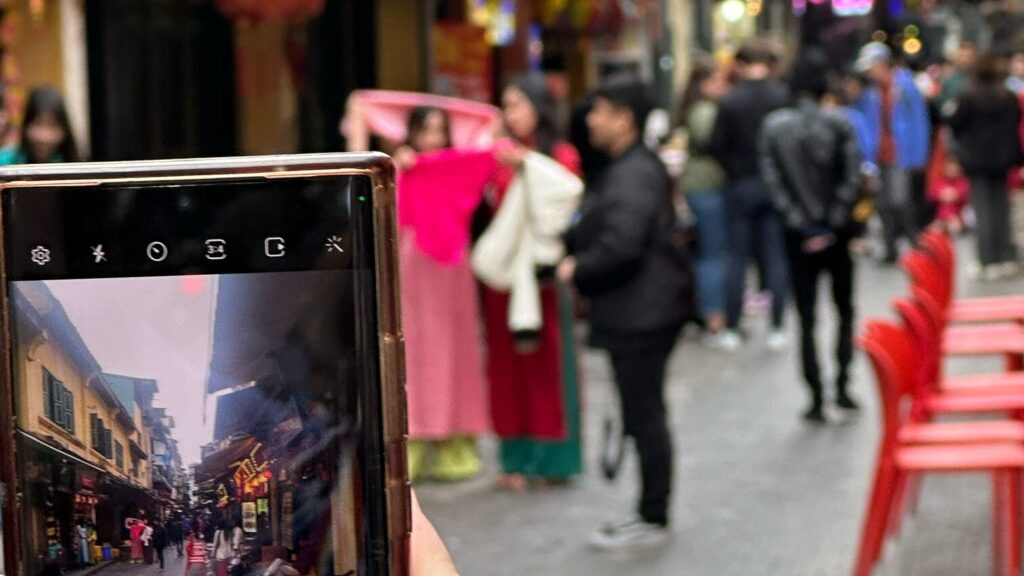
I also save screenshots of the setup instructions, confirm which line will use mobile data, and check my regular carrier’s roaming settings before boarding. Installation and activation rules vary by plan, so read them carefully; a data-only eSIM may not include a phone number or conventional calling. Its usually data, maps and your standard websites.
Once I land, I want to be able to open Grab or message my hotel, and find my way around without depending on airport Wi-Fi. It’s a small preparation that makes a substantial difference when you’re exhausted.
Arriving Alone: Airports, Grab, and Getting to Your Hotel
Once you’ve got that sorted, getting out of the airport is the next adventure. If I were returning independently, I’d arrange my transportation in advance or know exactly which service I planned to use. After a long flight, I have absolutely no interest in negotiating with someone claiming to be a taxi driver while my brain is still somewhere over the Pacific.
Vietnam has established ride-hailing services, including Grab and Xanh SM. With Grab, you enter your destination, choose a vehicle, and receive the driver and vehicle details through the app. I’d choose a car for airport arrivals, particularly with luggage, or arrange a confirmed transfer through my hotel. It works just like Uber or any other ride sharing service out there.
The important detail is that airport pickups aren’t necessarily directly outside arrivals. At Hanoi’s Noi Bai Airport, Grab uses designated pickup locations that depend on your terminal and the service booked. Ho Chi Minh City’s Tan Son Nhat Airport also has terminal-specific arrangements. Follow the pickup point displayed in your actual booking rather than assuming your driver will be waiting at the first exit.
You can check Grab’s airport instructions for Hanoi and Ho Chi Minh City. The app also provides driver messaging and translated chat, which is useful when you don’t share a language.
And someone approaching you claiming to be a Grab driver DOES NOT automatically make them your Grab driver. Match the vehicle registration and driver details to the app, and don’t cancel your booking to pay privately. The same logic applies almost everywhere, but sometimes you just need a reminder.
I’d also have my hotel address saved in Vietnamese and an offline map downloaded before leaving home. To be fair, I do this for every trip where I don’t speak the language, especially somewhere mobile service might not be readily available.
Getting Around Vietnam Without Losing Your Mind
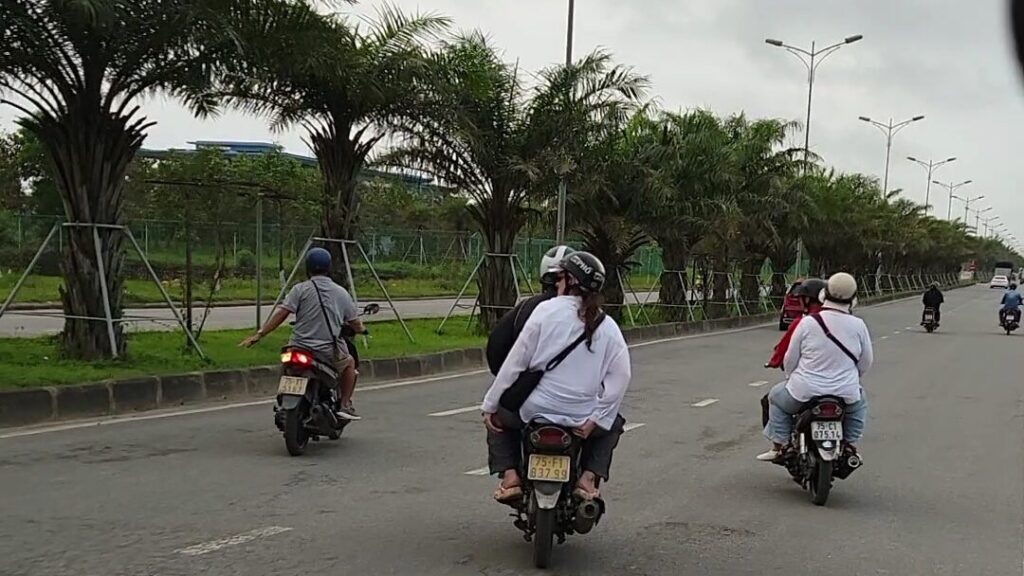
For city journeys, I’d generally use GrabCar or a reputable metered taxi, particularly for longer distances. GrabBike can be convenient for shorter trips with light luggage, provided you’re comfortable with the traffic and have a suitable helmet. I wouldn’t rent a scooter in Hanoi to prove I could handle the traffic. I’ve crossed those streets and I have absolutely nothing to prove.
Road conditions vary, particularly outside major cities, and local driving practices can take some getting used to. For countryside excursions, I’d much rather hire a local driver or guide than navigate unfamiliar roads myself.
My guided motorbike tour around Hue was one of the highlights of my trip. We explored rural areas, visited historic sites, and stopped at a Buddhist nunnery, all while I got to enjoy the experience rather than concentrate on staying upright.
And here’s something worth remembering, particularly for women traveling alone: women-led and women-focused excursions are worth seeking out. If you’re uncomfortable heading into the countryside alone with a male guide, you don’t have to abandon the experience. Look for a female guide or a women-led excursion instead. You can explore Vietnam experiences through my Viator collection, including options to investigate for female-guided experiences.
If you’re staying for months and have the proper license, insurance, and experience, renting a motorbike may make sense. But Vietnam’s traffic and variable road conditions aren’t something I’d underestimate on a short vacation.
And if you’re walking, remember that sidewalks aren’t always reserved for pedestrians. Use marked crossings where available, move predictably, and keep your phone and bag away from the traffic-facing side.
The Scams I’d Actually Recognize Before Going
Vietnam’s tourist scams are easier to avoid when you know what they look like. Telling someone to remain vigilant is considerably less helpful than explaining what they’re supposed to be watching for.
Unsolicited shoe cleaning: Someone points out a supposed problem with your shoes and starts cleaning or repairing them before you’ve agreed to anything. Then comes an inflated bill. Don’t let the service begin without agreeing on a price.
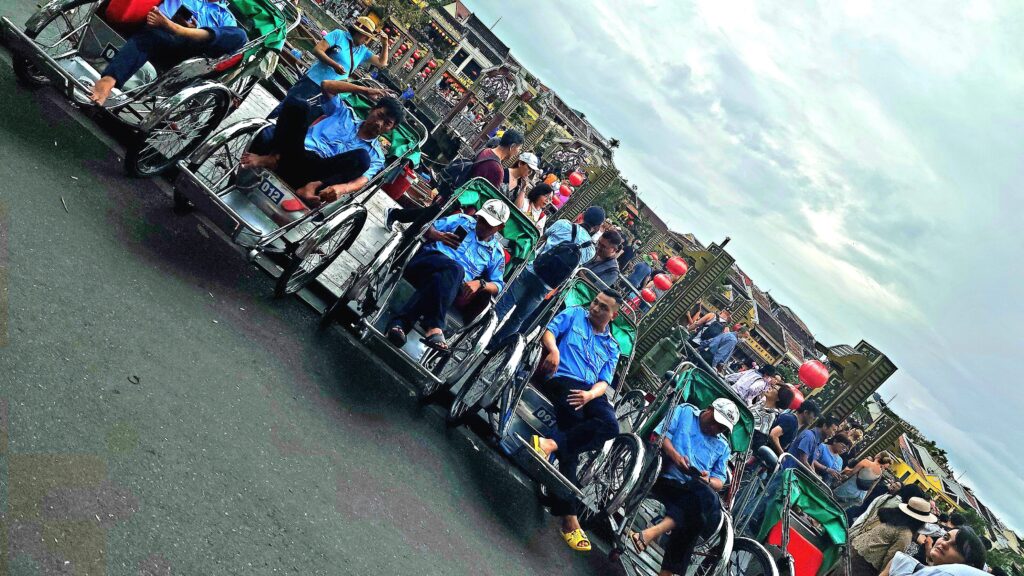
Cyclo fare disputes: Before climbing into one of the pedal-powered passenger vehicles, establish the total price, duration, currency, and whether the fare is per person. Otherwise, what sounded like a charming sightseeing ride can become a rather expensive misunderstanding but DO NOT let that deter you from taking them because they are worth the ride!
Unofficial drivers: Someone claims to represent a ride-hailing service or offers a cheaper private fare. Book through the actual app or use a recognized taxi operator rather than accepting an unsolicited transfer. You wouldn’t do it back home so don’t do it there!
Photo and souvenir demands: Someone hands you an item or invites you to pose with something, then expects payment. Agree on a price first or politely decline.
I’d also familiarize myself with Vietnamese dong. The banknotes carry large numbers, and it’s easy to confuse denominations when you’re tired or distracted. Carry smaller notes for markets and businesses that primarily accept cash.
None of this means treating every street vendor as suspicious. Just know what you’re agreeing to before somebody starts providing a service.
Where I’d Explore Independently
One of the things I loved about Vietnam was how different each destination felt. And while I was perfectly comfortable exploring, where I’d choose to stay would depend on what I wanted to see and how much I wanted to walk.
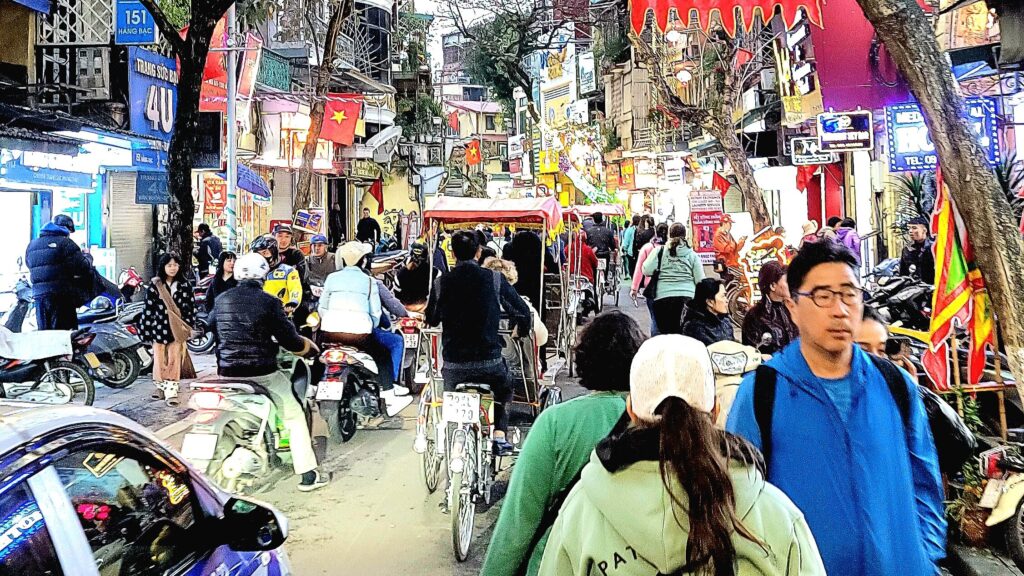
Hanoi was my favorite city, and I’d happily wander the Old Quarter alone again. It’s busy, noisy, and full of cafés, shops, and restaurants. I’d look for accommodation around Hoan Kiem if I wanted easy access to the historic center, but I’d check hotel reviews for noise because convenient doesn’t necessarily mean peaceful.
Hue was one of my favorite places for history. I’d explore its central sights independently but arrange a guide or driver for the imperial tombs and countryside, where attractions are spread out.
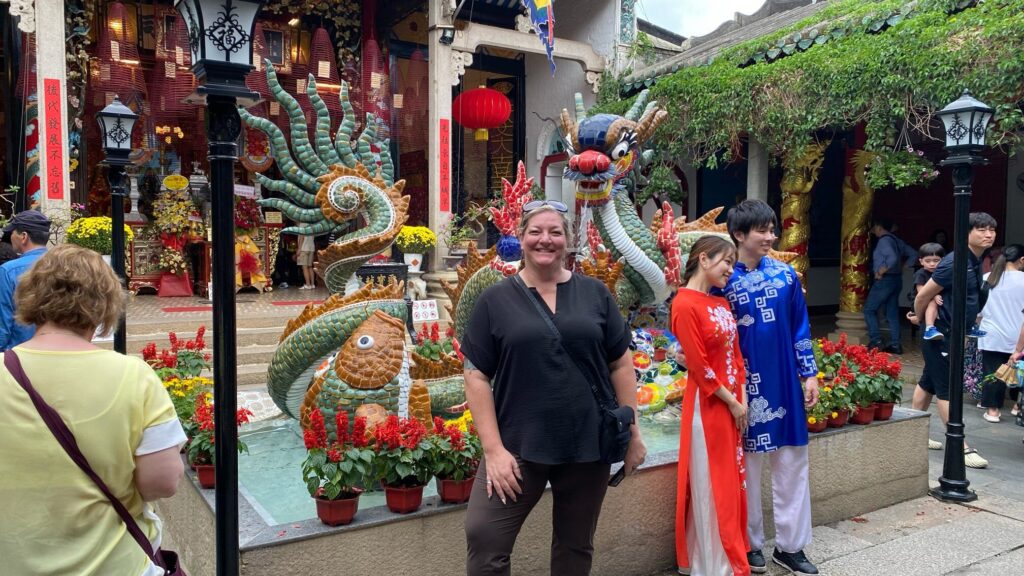
Hoi An is wonderfully suited to wandering, particularly around its lantern-lit historic center. I’d pay attention to accommodation location, though. Staying near the old town is different from staying closer to the beach, and I’d want to know how I was getting back after dinner. My Oodles of Noodles experience with STREETS International was also a memorable way to connect with the destination beyond sightseeing.
Ho Chi Minh City felt more cosmopolitan and commercially driven than Hanoi, although I spent relatively little time there and was exhausted by the end of the trip. If I returned, I’d give myself more time, choose accommodation based on the neighborhoods I wanted to explore, and use booked transportation for longer journeys.
These are the four destinations I experienced firsthand. Other places, including Sapa, Ninh Binh, Da Nang, and the Ha Giang Loop, can be worthwhile additions, but they involve different transportation and safety considerations, particularly when mountain roads or motorbike travel are involved.
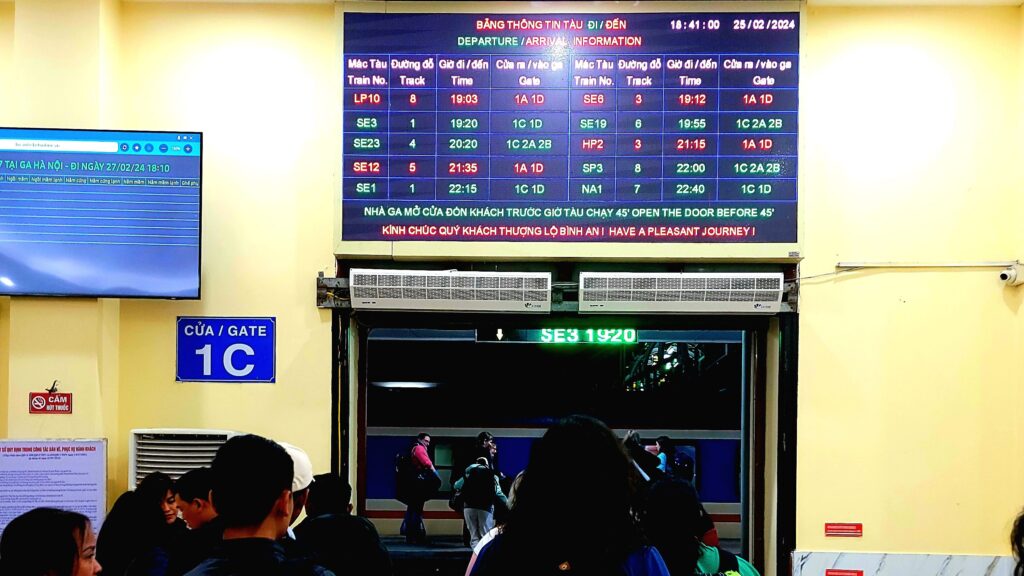
The Overnight Train: Four Bunks and Approximately No Sleep
I traveled overnight from Hanoi to Hue in a four-person sleeper compartment with three other women from my G Adventures group. There were two upper and two lower bunks, and naturally, I ended up on top.
The compartment was reasonably clean, but we’d been advised to bring a travel sheet, essentially a lightweight fabric sleep sack that gives you your own layer between yourself and the provided bedding. I was the only one who brought one, and I was very pleased with that decision, particularly when a woman in a neighboring compartment encountered a cockroach and started screaming.
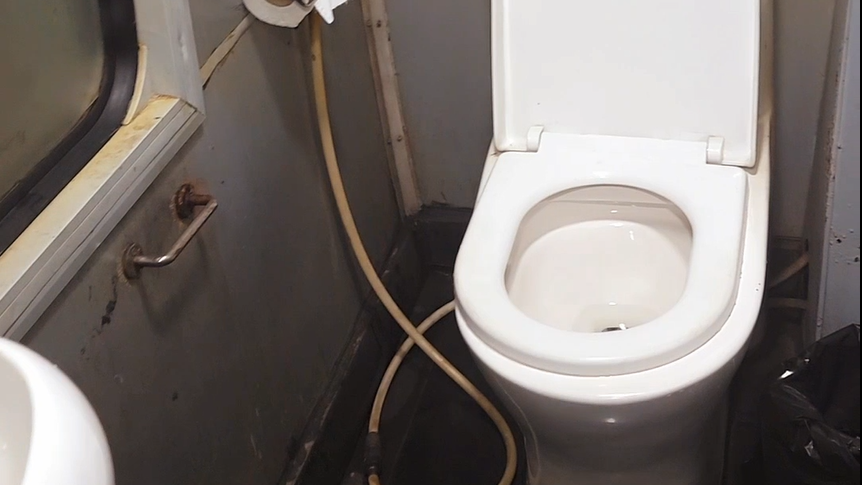
The bathroom wasn’t much better: filthy, no soap, and an opening near the floor through which I could see the railway tracks passing underneath us.
The train itself was surprisingly social, with people chatting and having little parties in their compartments but once we went to sleep we kept our door locked and had no problems with theft or unwanted visitors. Some of the other women slept perfectly well, but I got approximately no sleep because the train jostled so much I felt like I was going to be ejected onto the floor below. Headphones are great to block out the noise of the constant train horn but they weren’t exactly a cure for being thrown on the floor like a crash test dummy.
If you’re booking independently, check the accommodation category before purchasing. Vietnamese trains offer different sleeper configurations as well as seated carriages, and you can check schedules through Vietnam Railways. I’d bring hand sanitizer, toilet paper, snacks, water, and something to keep my valuables close.
Would I do it again? Possibly. But I’d think carefully about whether I wanted to arrive in Hue rested or spend the morning recovering from thirteen hours of being shaken around on a top bunk.
Hotels, Nightlife, and Traveling Without a Group
I stayed in hotels rather than hostels and didn’t encounter security problems. If I were booking independently, I’d prioritize location, recent reviews, and reliable staff support. My advice? Don’t skimp on accommodations just to save a few dollars. Unless you’re backpacking on a shoestring budget, consider what your money can actually buy in Vietnam. Sure, you can find a hostel bed for $6, but you can also find some pretty spectacular five-star hotels for around $50 a night. Personally, if the difference between a bunk bed and a beautiful hotel room is that small, I’m taking the hotel. Every. Single. Time.
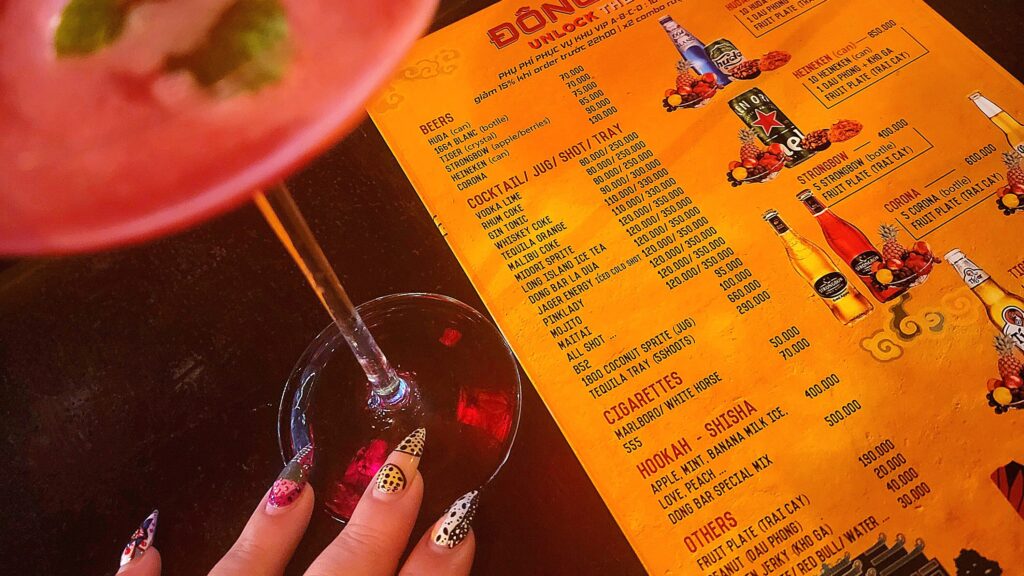
For hostels, I’d check whether lockers are provided, whether female-only dormitories or private rooms are available, and whether recent reviews mention security concerns. For evening outings, I’d arrange a verified ride home, keep control of my drinks, and avoid accepting transportation from someone I’d just met. That doesn’t mean skipping the nightlife or spending your evenings hiding in your hotel, it means enjoying yourself and knowing how you’re getting home.
I’d also check that my travel insurance covered medical care and any motorbike activities I planned to undertake. Vietnam’s emergency numbers are 113 for police, 115 for ambulance, and 114 for fire, although English-language assistance may not be available.
Condé Nast Traveler’s The Golden Rules of Solo Travel offers additional practical advice about keeping essential information accessible, protecting valuables, and balancing spontaneity with a little preparation. It’s a useful reminder that traveling independently doesn’t mean refusing help or planning nothing.
Would I Travel Vietnam Independently Next Time?
Absolutely. I enjoyed my G Adventures trip, and having transportation and excursions arranged made it easy to cover a substantial amount of the country. But I wouldn’t book another group tour solely because I was traveling as a woman.
Next time, I’d take a hybrid approach: handle the logistics that benefit from advance planning, explore independently, and leave room for the occasional curious obsession. I like seeing things, learning things, and following unexpected rabbit holes. What I don’t like is spending half a day solving a transportation problem that could have been handled beforehand.
And that’s exactly the kind of travel design I offer through The Itinerant Flâneur. If you’re trying to decide where to go, which experiences are worth booking, and how to make the whole trip work together, I can help turn your ideas into an itinerary that suits the way you actually like to travel, with the right balance of independence, local expertise, and room for the unexpected.