
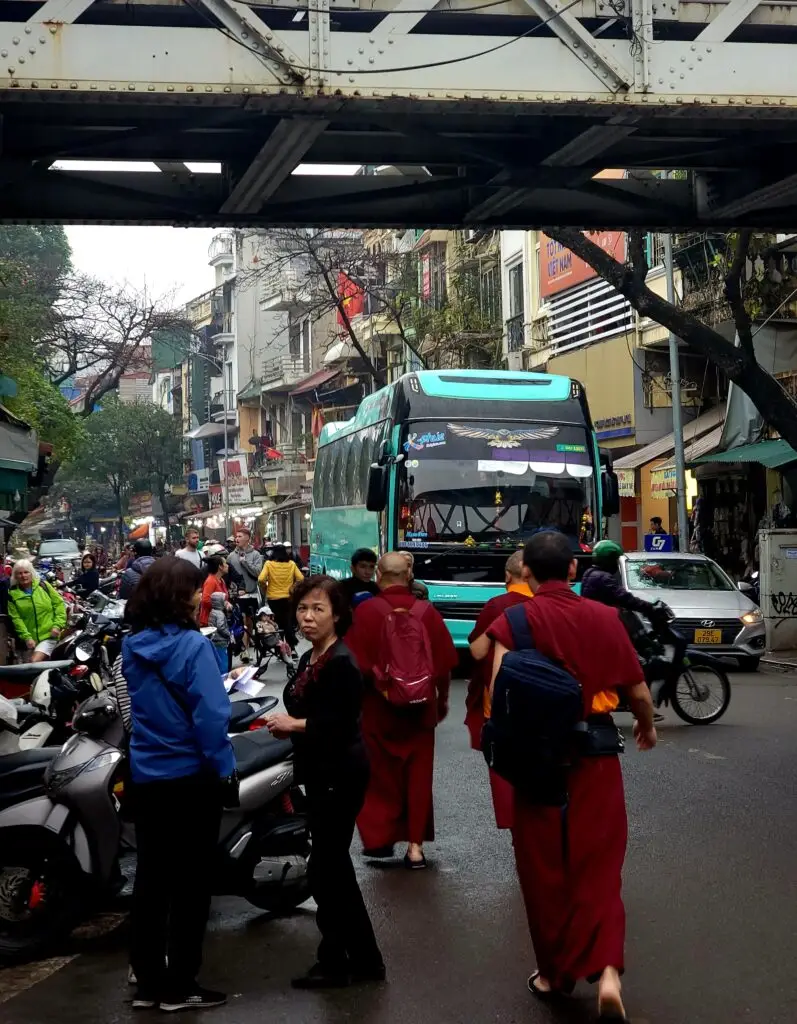
Vietnam is one of the most extraordinary countries you will ever visit no matter what your Vietnam itinerary is.
It is also one of the easiest places on earth to accidentally exhaust yourself in.
Not because it’s difficult but because most people move through it like they’re trying to win it.
They land with a neat little route, a healthy amount of optimism, and a totally incorrect understanding of what the country is going to do to their nervous system.
Vietnam is not hard in the logistical sense. It is hard in the sensory sense.
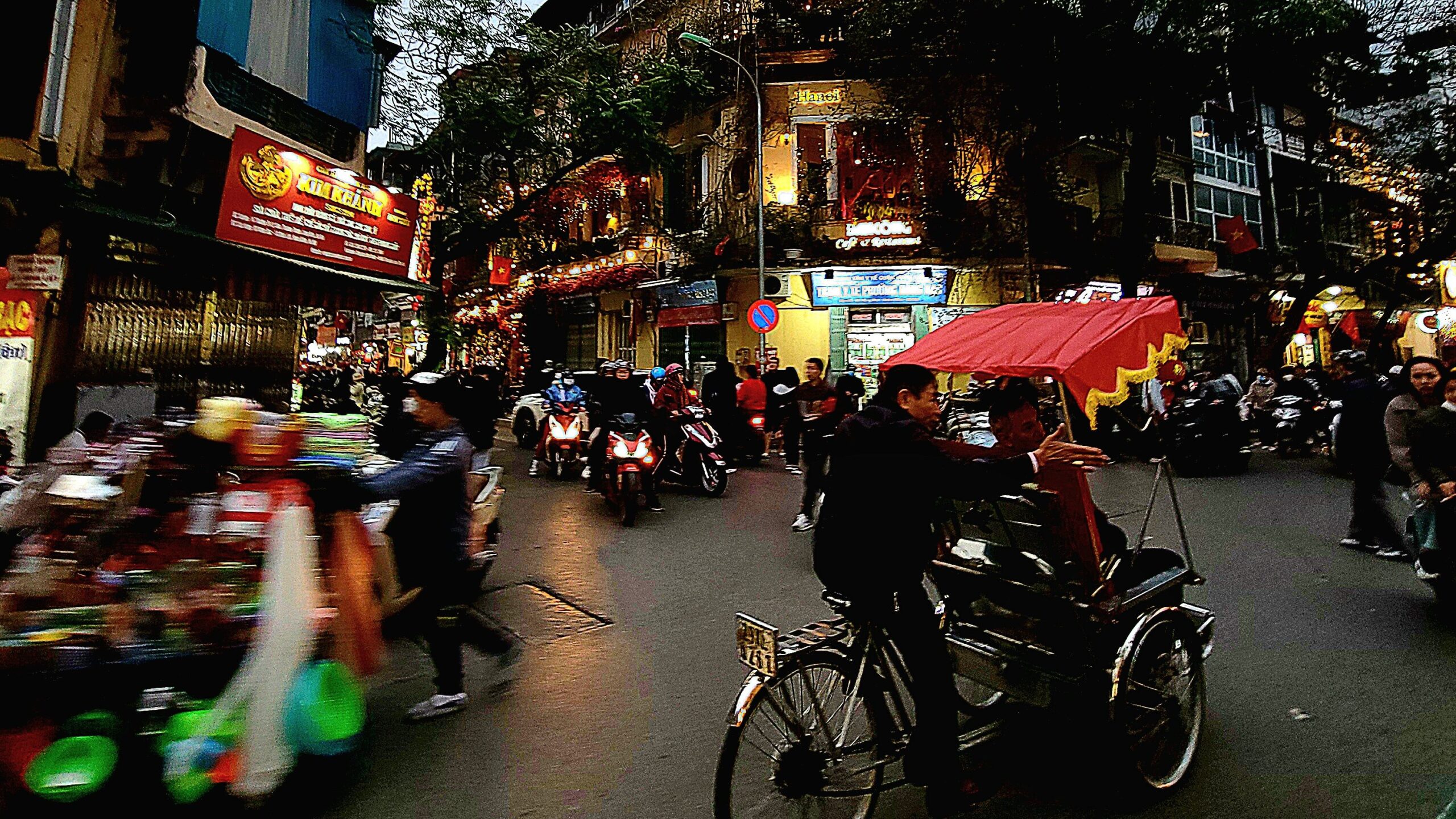
It’s loud. Layered. Beautiful. Fast. Emotional. Historically dense. Physically stunning. Constantly shifting. One minute you’re weaving through scooters and power lines and street smoke in Hanoi, and the next you’re on the water staring at limestone towers that look fake until you’re close enough to see their scars.
It’s not one experience.
It’s six different experiences stacked on top of each other, usually with a transfer in between.
And that is exactly why people burn out.
Not because Vietnam gives too little but because it gives too much, too quickly, and most itineraries do absolutely nothing to manage the rhythm.
Standard Vietnam Itinerary Planning: The Route Everyone Takes
I did what a lot of travelers do.
Hanoi.
Ha Long Bay.
Hue.
Hoi An.
Da Nang.
Ho Chi Minh City.
It’s a perfectly reasonable route on paper. It moves. It connects. It gives you the obvious highlights. It looks efficient, which is usually the first sign that something is about to become more exhausting than it needs to be.
The problem isn’t the destinations.
The problem is that Vietnam does not behave like a checklist.
It behaves like impact.
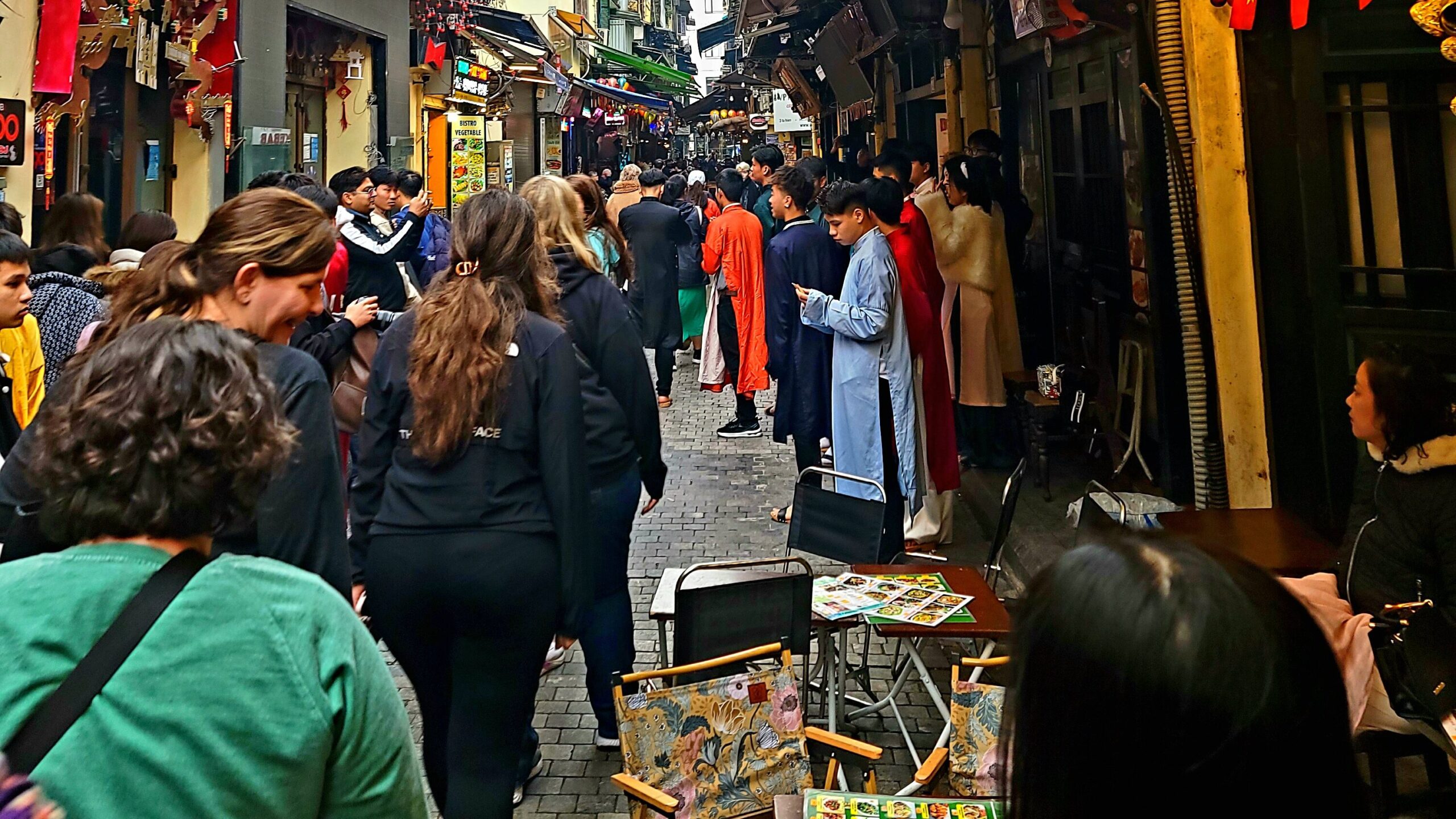
Each stop lands differently. Each place asks something different of your attention. And if you don’t build in enough contrast between them, the whole trip starts collapsing into one long blur of transfers, beautiful things, and low-grade sensory fatigue.
That’s what I would change.
Not necessarily where I went.
How it was allowed to happen.
What I Actually Did (And What I’d Change)
Hanoi
We arrived in Hanoi and almost immediately left again for Ha Long Bay.
That’s what most itineraries do and it turns one of Vietnam’s most layered cities into a transit stop. The best parts of my time there happened later in a few unexpected hours between transfers, which is exactly how I knew I hadn’t given it enough space.
Hanoi needs arrival energy, not leftover time.
Ha Long Bay
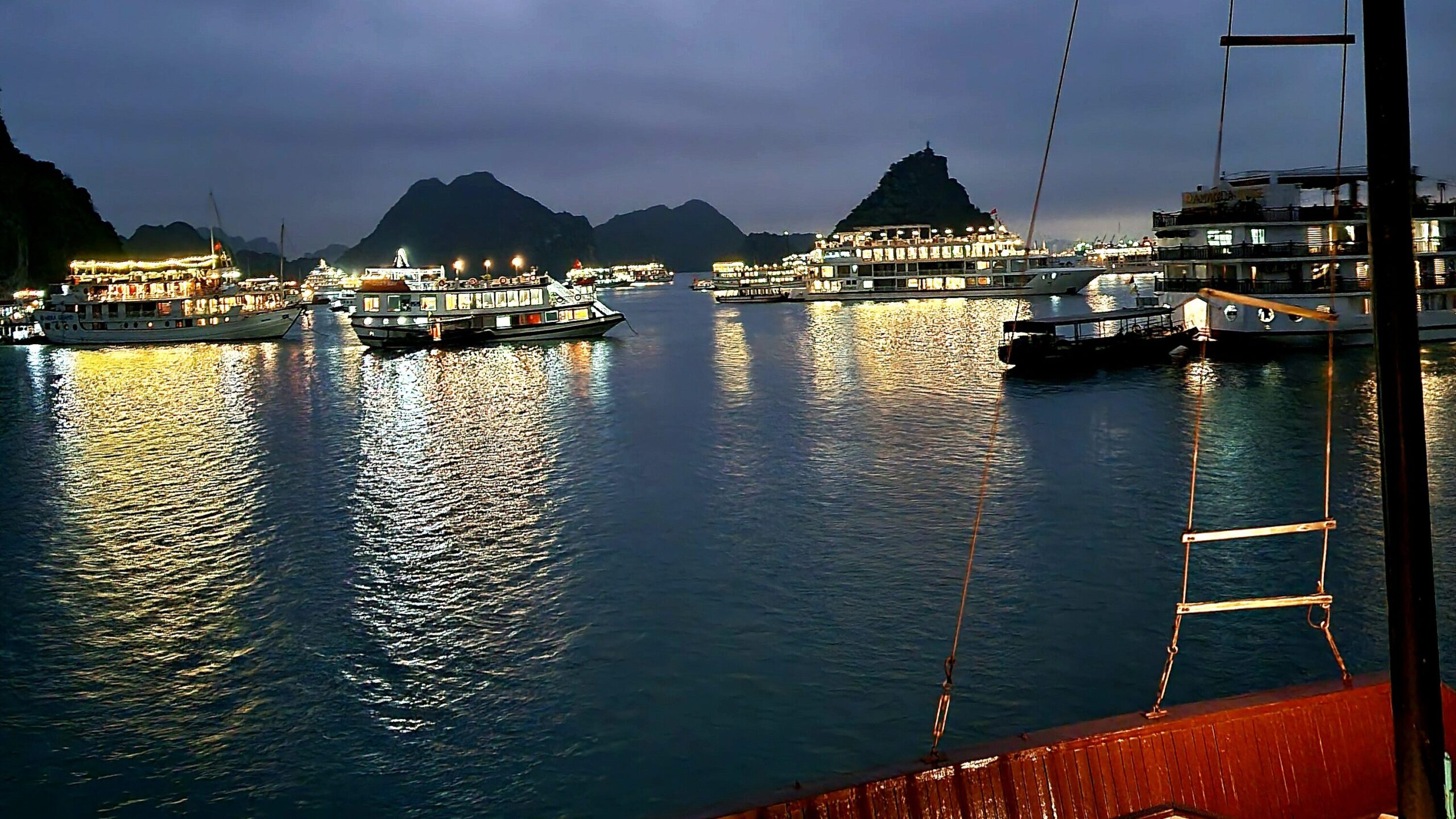
Ha Long Bay is spectacular, but it’s one of the most execution-dependent experiences in Vietnam.
The boat matters. The weather matters. Even the water conditions matter more than people admit. When those pieces don’t line up, the landscape is still beautiful — but the experience changes quickly.
It’s worth doing. Just not blindly booking.
Hue
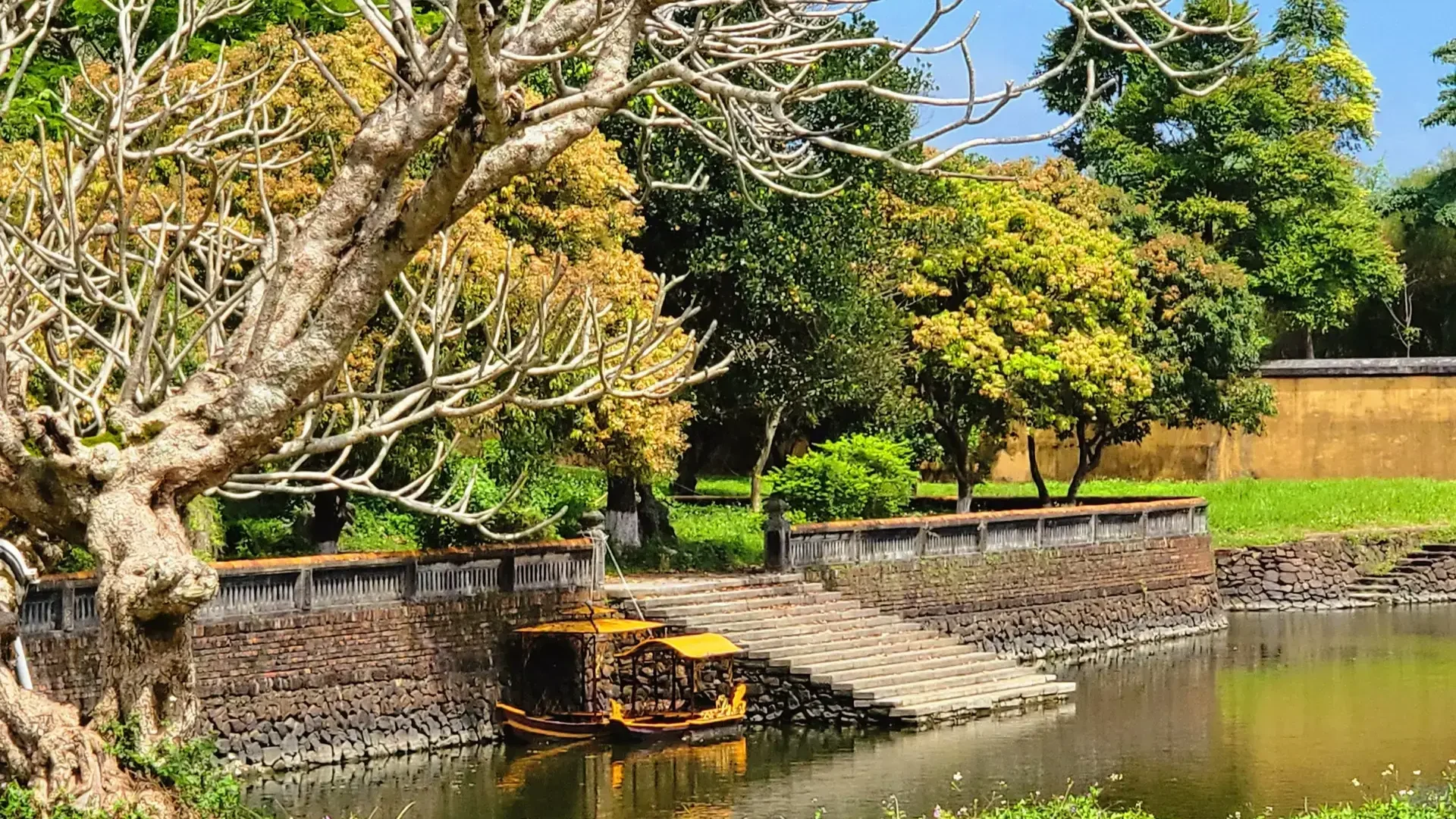
Hue changes the pace of the trip in the best possible way.
After the movement and logistics of the north, it introduces space, history, and quiet without losing depth. It was one of the easiest places in the itinerary to settle into instead of push through.
That shift matters more than people expect.
Hoi An
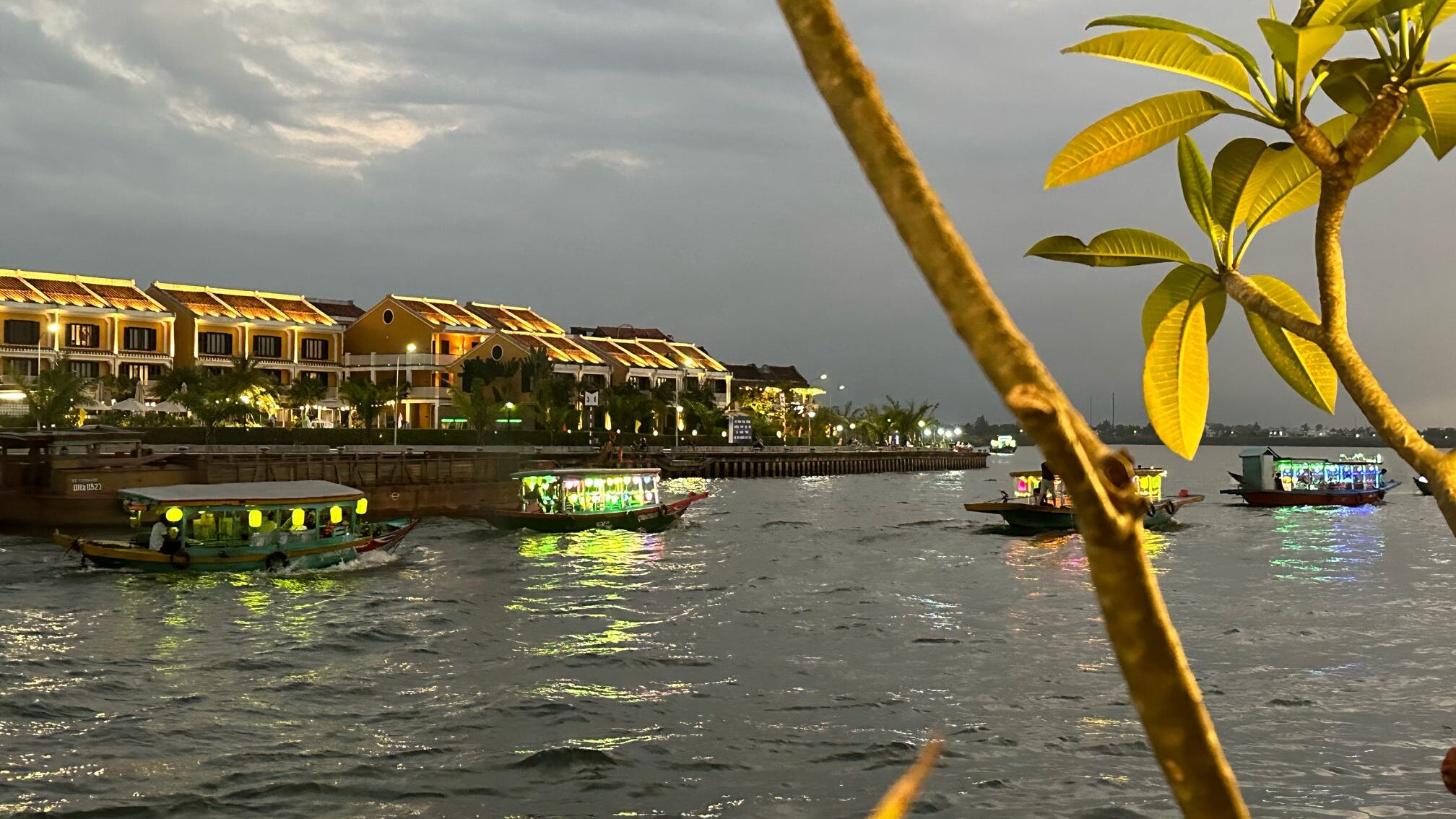
Hoi An is where travelers accidentally speed up again.
Instead of slowing down, people start scheduling tailoring appointments, activities, and photo stops in a town that works best when you let it unfold slowly.
Hoi An rewards wandering, not optimizing.
Da Nang
I skipped too quickly. Da Nang is where Vietnam exhales. Wide beaches. Open space. A modern city that doesn’t feel compressed by its own energy.
After the density of the north and the heritage towns of the center, Da Nang is the reset point most itineraries rush past. Mine did too. That was a mistake.
Ho Chi Minh City
By the time I reached Ho Chi Minh City, I finally understood what Vietnam fatigue actually is.
Not physical exhaustion.
Accumulation.
Every place asks something different of your attention, and if you don’t build contrast into the route, the experiences start stacking faster than your brain can process them.
Mekong Delta
The Mekong Delta isn’t relaxing in the way people expect.
It’s working land. Markets on water. Agriculture moving through canals. Entire communities built around river rhythms instead of roads.
You leave the Mekong understanding how Vietnam functions. You don’t necessarily leave rested.
Which is exactly why it belongs earlier in a trip — not at the very end when most travelers are already running low on attention.
What Vietnam Actually Feels Like
Vietnam doesn’t overwhelm you because it’s chaotic. It overwhelms you because it’s layered.
Scooters. Smoke. Voices stacked on voices. Street food that smells like heaven and diesel at the same time. History that refuses to stay politely inside museums.
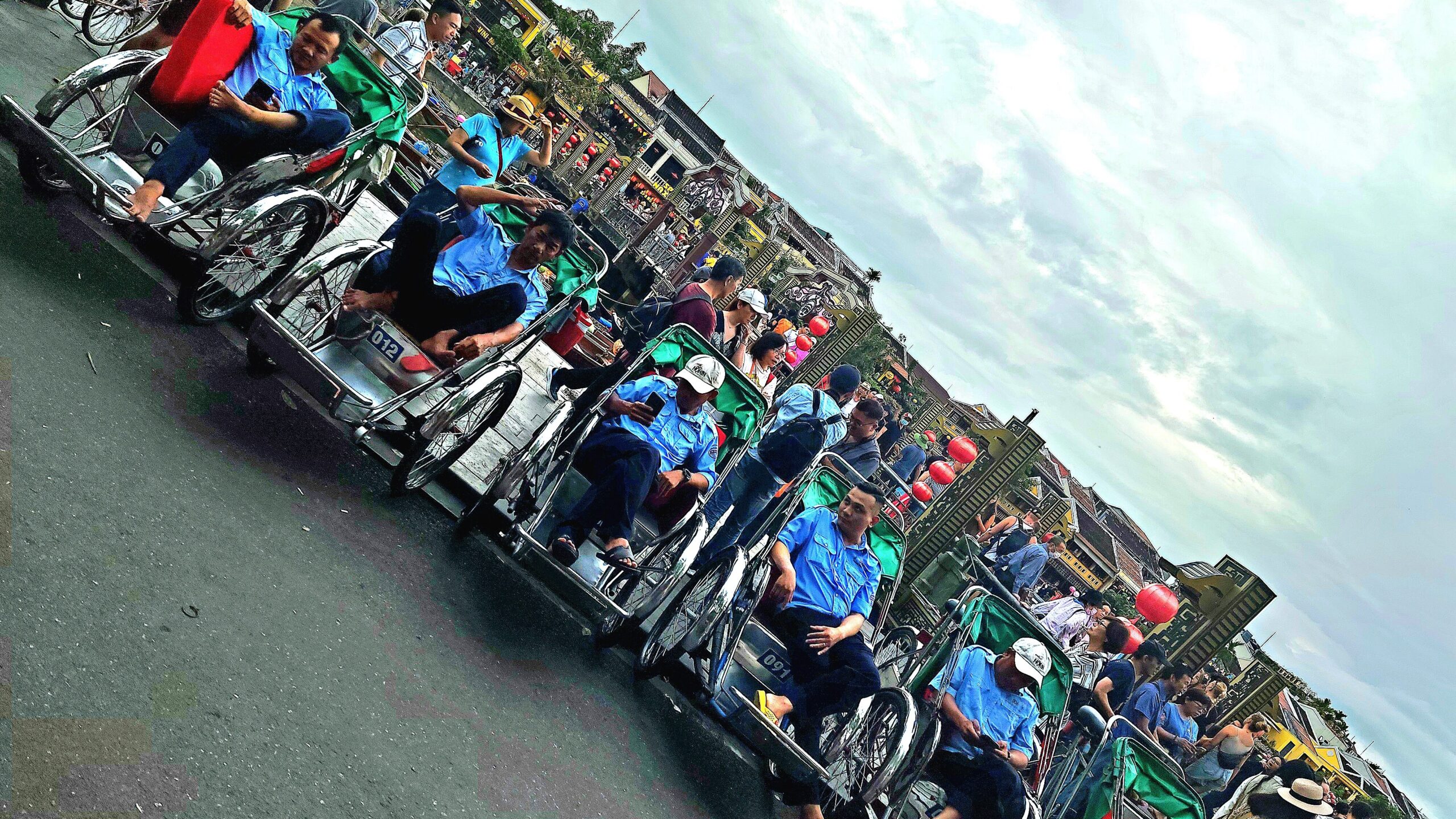
Your brain is processing a thousand inputs at once. If you move too fast, everything collapses into one long blur. Burnout in Vietnam isn’t physical. It’s cognitive. Your senses simply run out of room.
The Rhythm That Actually Works
Vietnam makes more sense if you travel with contrast.
City → water.
History → quiet.
Intensity → space.
The country rewards pacing. It punishes stacking.
One temple after a slow morning lands differently than five temples in a row. One chaotic city after a quiet coastline feels electric instead of exhausting.
The difference is rhythm.
When I design travel, this is usually the first thing I fix. Not where someone goes but the order in which a place is allowed to happen.
If I Did It Again
I would start in the south. Ho Chi Minh City first. Then the Mekong. Then work north through central Vietnam. And I would save Hanoi for the end.
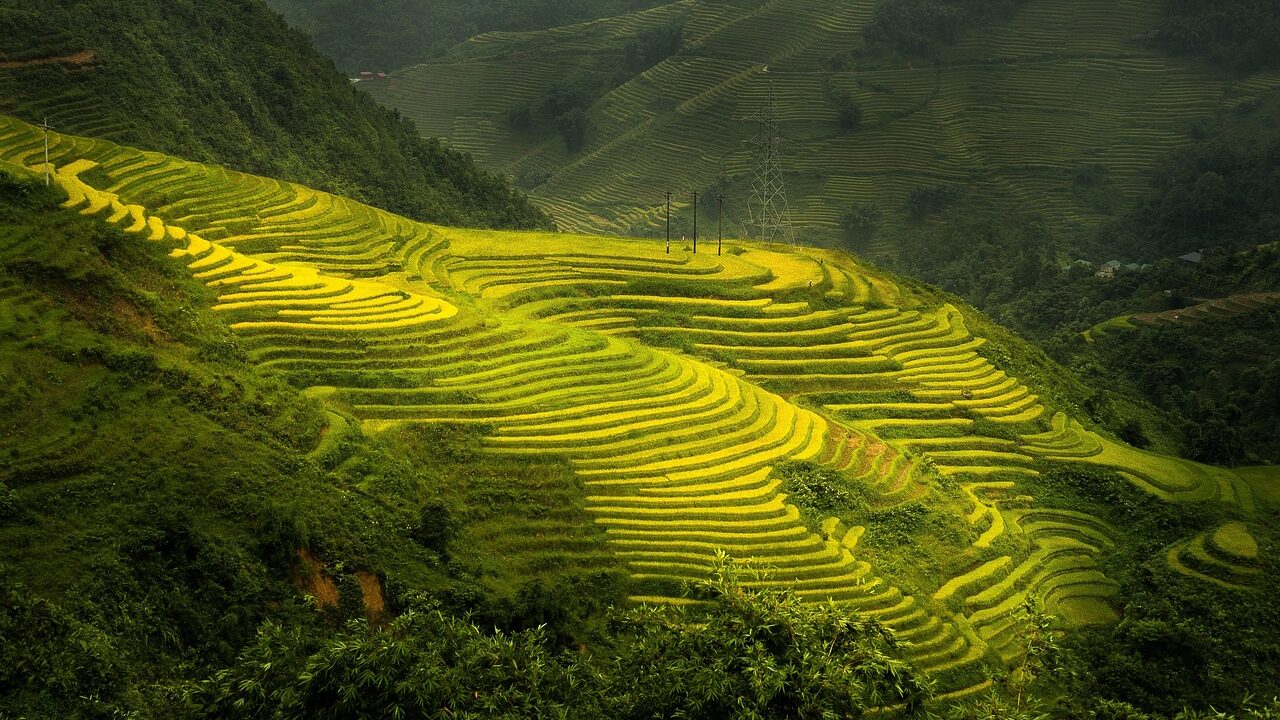
The north has a kind of emotional density that deserves your full attention. It’s not a place where you stumble into half fried from transit and temples and too many bowls of noodles you ate because you didn’t want to miss anything.
It’s a terrible place to arrive exhausted. It’s a perfect place to finish.
Because once you’ve done the cities and the coastlines and the history and the heat, once your senses have finally adjusted to the country’s volume, that’s when the north stops feeling like chaos and starts feeling like clarity.
And the real secret is this: You don’t end in Hanoi. You end outside Hanoi. In the valleys. In the quiet. In the green that folds around you like the country finally lowering its voice.
Terraced hills. Small roads that feel built for thinking. Air that doesn’t demand anything from you.
That is where Vietnam stops performing. That is where the country exhales. And that is where you do too.
How Much Time Vietnam Actually Needs
Vietnam looks small on a map. It isn’t. Distances are long. Travel takes time. And the country reveals itself slowly.
If you want the experience to land:
10–12 days: north or south
Two weeks: north + central Vietnam
Three weeks: full north‑to‑south journey

Anything shorter becomes a highlight reel. Anything longer becomes addictive. If you want to know the best ways to get around Vietnam, Lonely Planet does a really great highlight of all the options. I took the overnight train between Hanoi and Hue, that experience will be detailed in a future blog. I promise, you wont want to miss it!
The Real Mistake Most Vietnam Itineraries Make
Vietnam isn’t difficult to travel. But it is easy to misread. The goal isn’t to see everything. The goal is to leave space for the country to arrive.
Because when Vietnam lands properly, it doesn’t feel like a trip. It feels like recalibration. And once you experience a place that way, something slightly inconvenient happens.
You stop wanting more destinations. You start wanting better journeys. The kind where the rhythm works. Where the order matters. Where a place actually has room to land.

That’s the kind of travel I spend most of my time thinking about. And occasionally writing about, you can find all my destinations that I write about here.
Subscribe if you like travel stories that care more about how a place lands than how many places you can check off. Because the difference between a trip and a journey is usually just one thing: Design. Which is what I am here for.